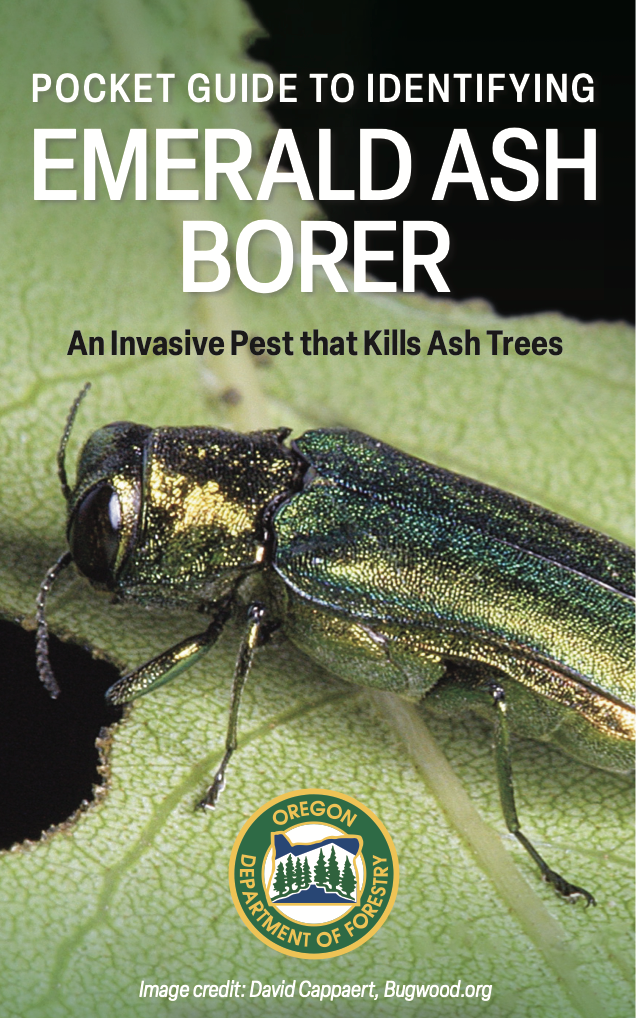
Emerald Ash Borer Information and Resources
〰️
Emerald Ash Borer Information and Resources 〰️
Oregon Invasive Species Council
Our mission is to protect Oregon's natural resources and economy by planning and leading a coordinated and comprehensive campaign to prevent the introduction of invasive species and eradicate, contain, or manage existing invasive species in Oregon.

The painted hills, Oregon. An important landscape needing protection from invasive species. Credit: © Adam Simmons
“Invasive species are defined by Oregon Statute as ‘nonnative organisms that cause economic or environmental harm and are capable of spreading to new areas of the state.’”
Invasive species are animals, plants, and microorganisms that are not native to Oregon and once here can reproduce so vigorously that they replace our native species. They pose a threat to key sectors of Oregon's economy that depend upon natural resources and native ecosystems. Agriculture, forestry, tourism, and water resource infrastructure, including hydropower facilities, are at serious risk of being adversely impacted by invasive species. Unchecked, invasive species individually and collectively have the potential to imperil public health and to transform ecosystems, resulting in widespread economic and environmental devastations.