Biological control (biocontrol) is a pest management method using naturally occurring predators or parasites. Biocontrol is sometimes referred to as “beneficial insect releases”, “using natural enemies”, or “biocontrol agents”. These beneficial insects are often predators, which feed on their prey; or parasitoids, which reproduce inside of their prey.
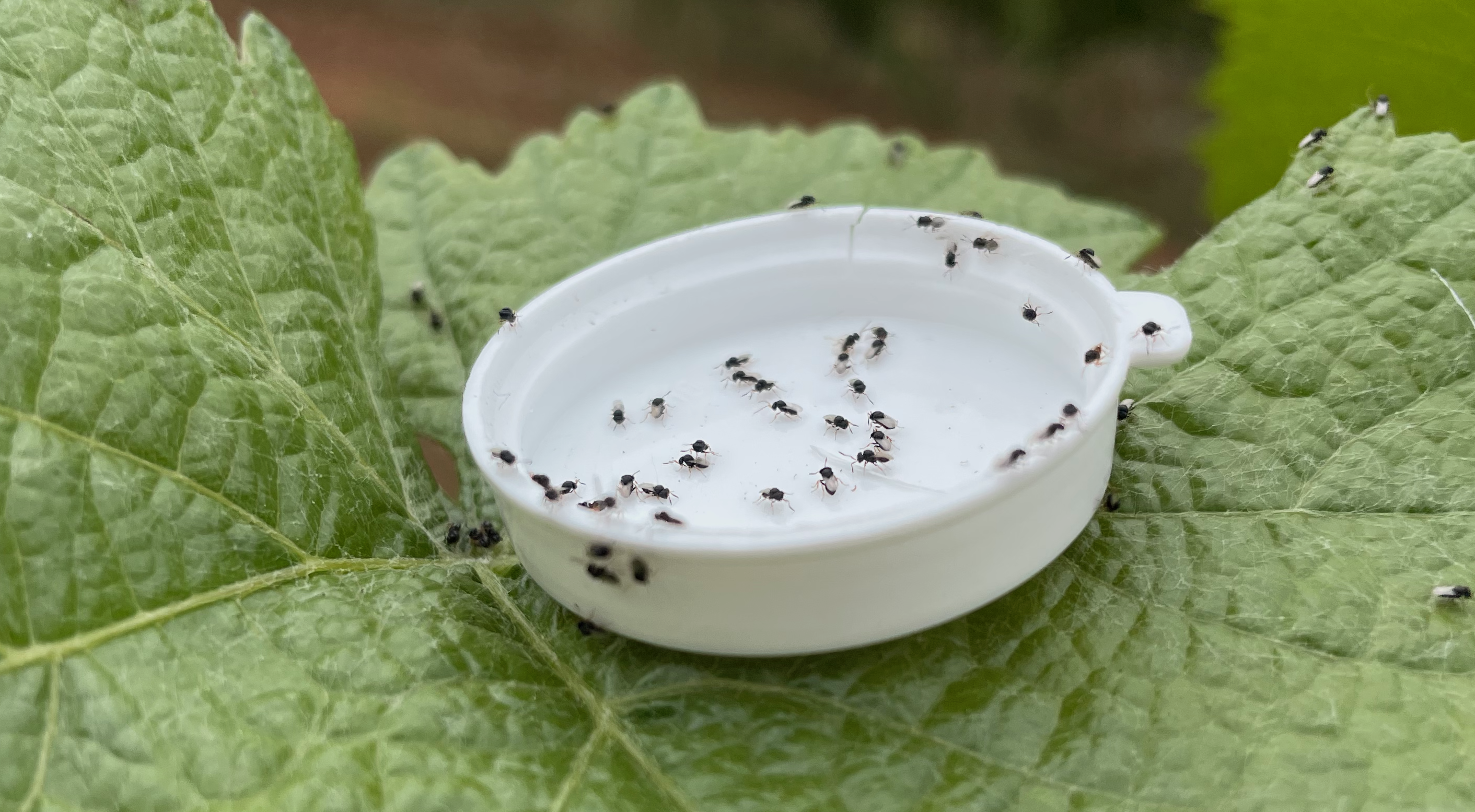 Biocontrol release of Trissolcus japonicus on winegrape
What is Biocontrol?
Biocontrol is a pest control technique used from home gardens to industrial agriculture and has been a tool used by the Oregon Department of Agriculture (ODA) for decades to protect Oregon’s agricultural industries. Biocontrol consists of three broad categories, Classical biocontrol; augmentative biocontrol; and conservation biocontrol.
Classical biocontrol
Classical biocontrol manages invasive insect pest species using predators and parasitoids from their native range. Insects released for classical biocontrol survive in Oregon for many years and fully establish. This is a long-term, highly cost-effective, permanent pest management strategy. It can take 5-20 years to fully take effect across the entire state. ODA IPPM biocontrol focuses on classical biocontrol. Invasive pests like cereal leaf beetle and ash whitefly have been managed through biocontrol.
Augmentative biocontrol
Augmentative biocontrol rapidly releases large numbers of predatory insects. This can include native insects, or insects that can’t survive for long periods in Oregon’s environment. This can be a low-impact way to control outbreaks of garden, crop, or greenhouse pests.
Conservation biocontrol
Conservation biocontrol aims to increase the population of insects already present in the environment and draw them into areas where pests are problematic. This includes intercropping with flowering plants and creating natural areas nearby. Conservation biocontrol often also benefits native pollinators, many of which are predators and parasitoids themselves.
Spotted Wing Drosophila
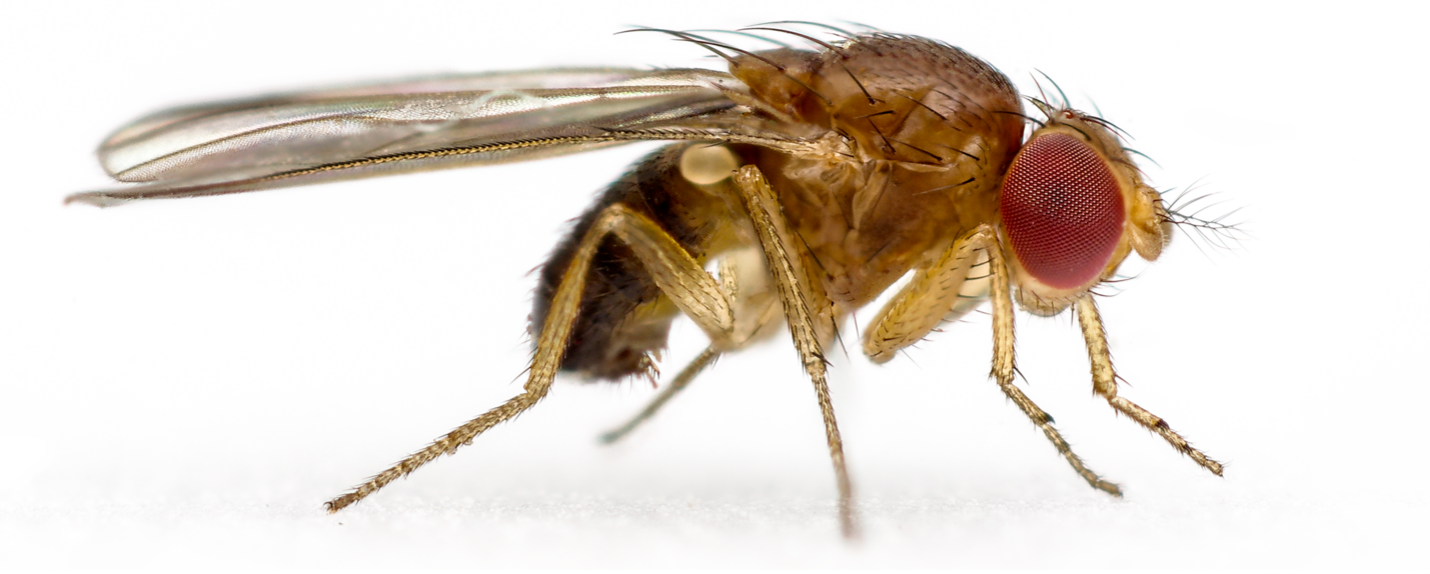
Spotted wing drosophila (SWD) is a devastating pest of unripe berries and stone fruit. Originating from Asia, spotted wing drosophila populations can grow to unmanageable levels due to a lack of natural enemies in North America. Spotted wing drosophila is unique among fruit fly pests. Female spotted wing drosophila have a serrated egg-laying organ (called an “ovipositor”). They are larger than other fruit fly pests, allowing them to pierce the skin of ripe and unripe fruit. Female SWD can lay eggs in multiple fruits and lay more than 65 eggs in a single small fruit. Maggots of SWD cause fruit to turn soft and brown and introduce pathways for fungi and bacteria to enter the fruit. Fruit is vulnerable throughout the growing season but is most vulnerable when it is ripe and overripe.
The natural predators of spotted wing drosophila do not have common names, but their scientific names are
Ganaspis kimorum and
Leptopilina japonica. These two parasitic wasps were discovered in spotted wing drosophila’s native range. These species,
Ganaspis kimorum (Hymenoptera: Figitidae) was the most promising species to release in North American. In Japan,
G. kimorum parasitized up to 76% of SWD larvae. Host range testing revealed that G. kimorum is specialized for SWD and closely related species, indicating that its introduction will not impact nontarget species. Currently in Oregon, ODA, USDA ARS Horticultural Crops Research Unit, and OSU have established rearing colonies of
G. kimorum. Initial releases in Oregon occurred in August 2022. To date, ODA has reared over 32,000
G. kimorum for colony production and release.
Additionally, another parasitoid of SWD,
Leptopilina japonica (Hymenoptera: Figitidae), has been tested for biological control of SWD and was collected from wild populations of SWD in Oregon. ODA currently has an established rearing colony of
L. japonica and has begun distributing it across Oregon. This parasitoid can coexist with
G. kimorum.
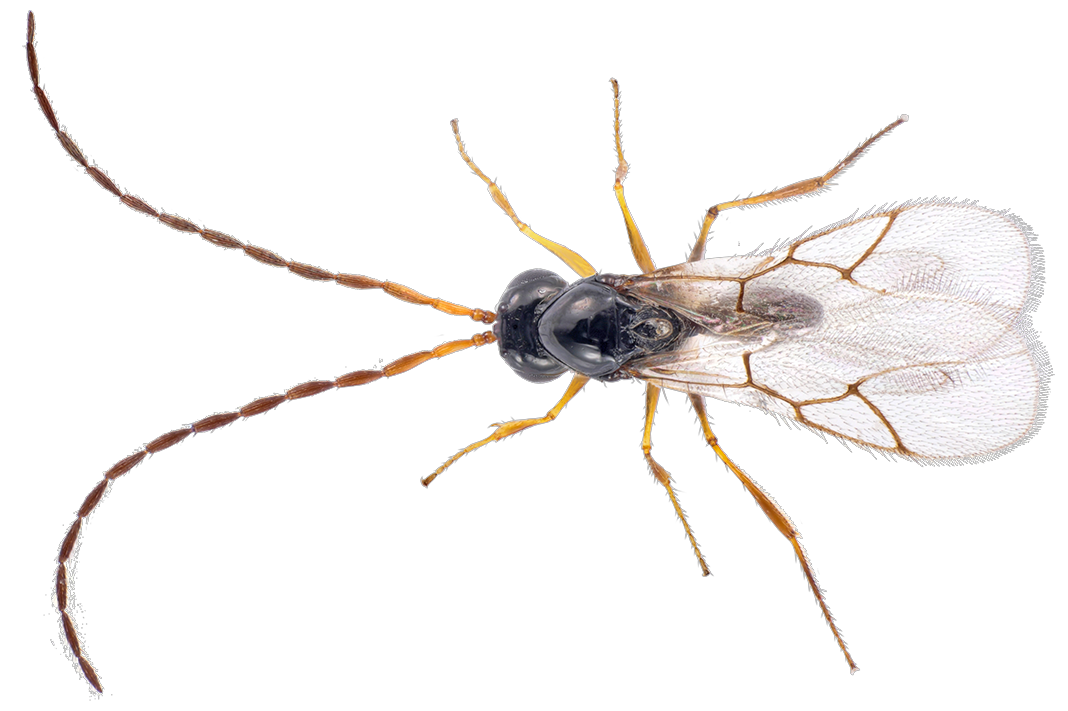
Leptopilina japonica adult male
Brown Marmorated Stink Bug
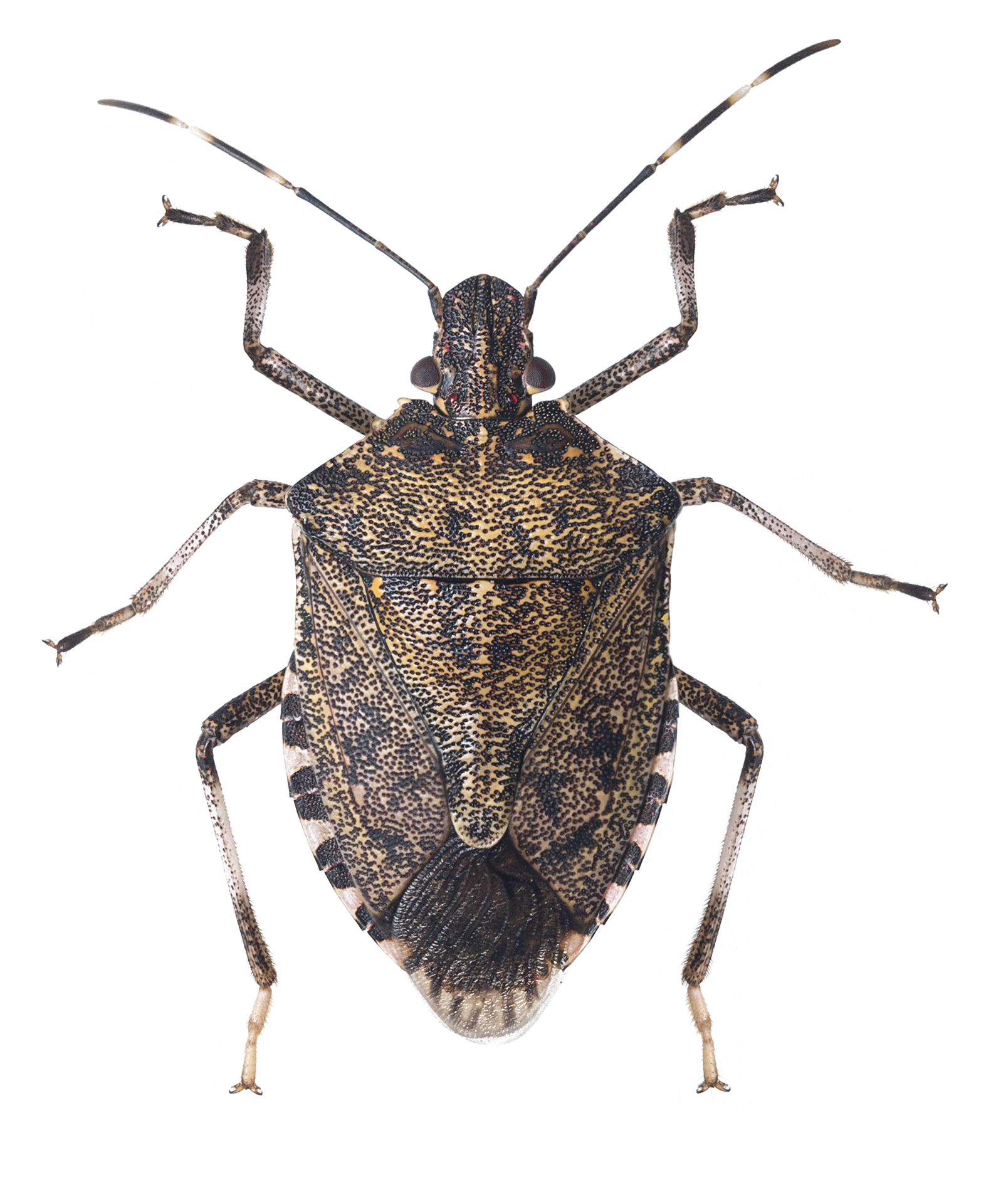
Brown marmorated stink bug, Halyomorpha halys, (BMSB) is an invasive stink bug in Oregon. It is a serious agricultural pest, feeding on over 100 different host plants, including filberts (hazelnuts), apples, pears, and beans. Biological control of BMSB occurs using the Samurai wasp, Trissolcus japonicus, an egg parasitoid. It lays its egg inside of a stinkbug egg, killing the bug before it hatches. ODA has been releasing the samurai wasp since 2021.
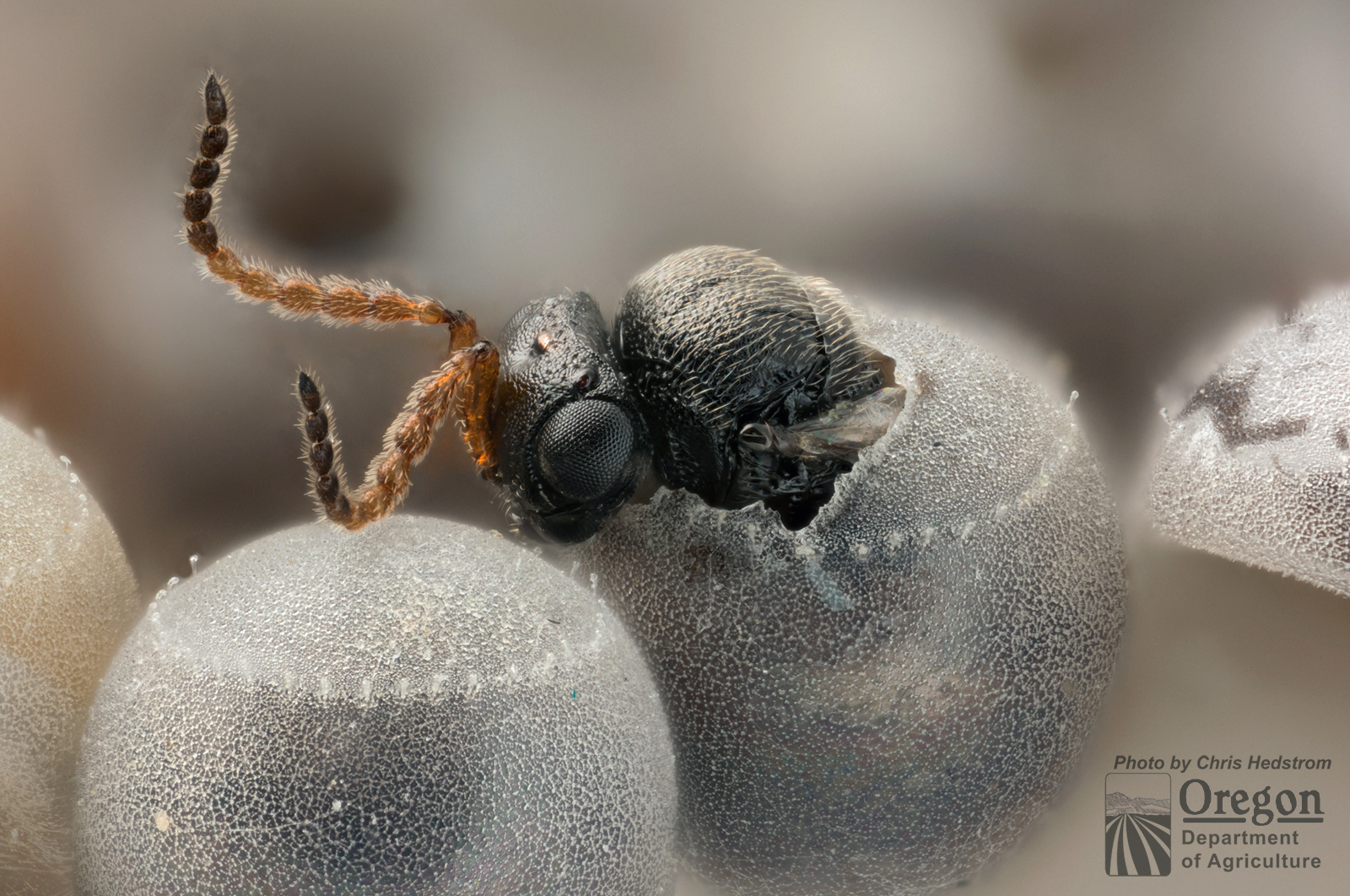
Trissolcus japonicus emerging from a BMSB egg
Emerald Ash Borer
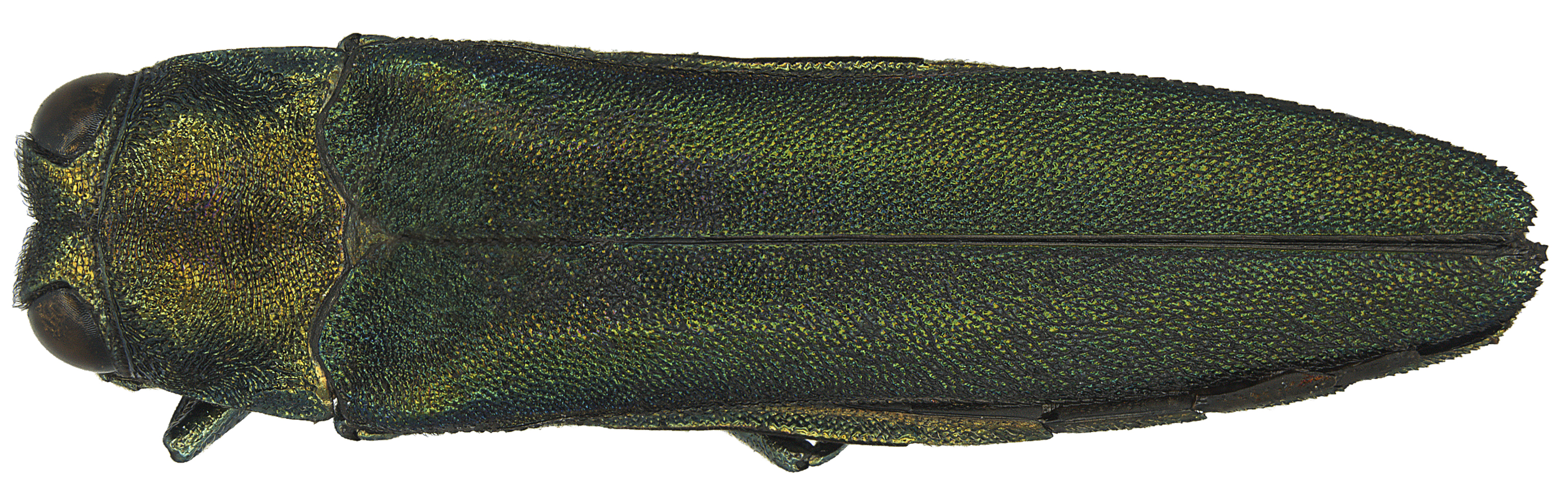
Emerald ash borer (EAB) is the most damaging forest pest in North American history. EAB was first detected in Oregon in 2022. Since then, ODA, in partnership with other agencies, has been working to slow the spread. One method of accomplishing this is through the use of biological control. Biological control of EAB is led by USDA APHIS. The USDA raises the natural enemies of EAB at their facility in Brighton, MI and sends them to Oregon to release. There are three parasitoids of EAB released in Oregon. Their scientific names are
Oobius agrili,
Spathius galinae and
Tetrastichus planipennisi. All three species were found in Asia, in the native range of EAB. They were extensively studied for years to determine their efficacy and safety. These wasps are harmless to people, animals, and American insects.
Oobius agrili is an egg-parasitoid, which lays its egg inside of freshly-laid emerald ash borer eggs. As it hatches, it feeds on the developing EAB egg, killing it. One
Oobius agrili adult emerges from each egg. All
Oobius agrili are female, and they reproduce parthenogenically (without mating).
Both
S. agrili and
T. planipennisi are larval parasitoids. They find EAB larvae under the bark of ash trees, then they use a drill-like organ (ovipositor) to lay eggs inside of the EAB larva. These eggs hatch, killing the larva before it turns into an adult beetle. Between 6-12
S. agrili emerge from a single EAB larva, and 20-45
T. planipennisi emerge from a single EAB larva.
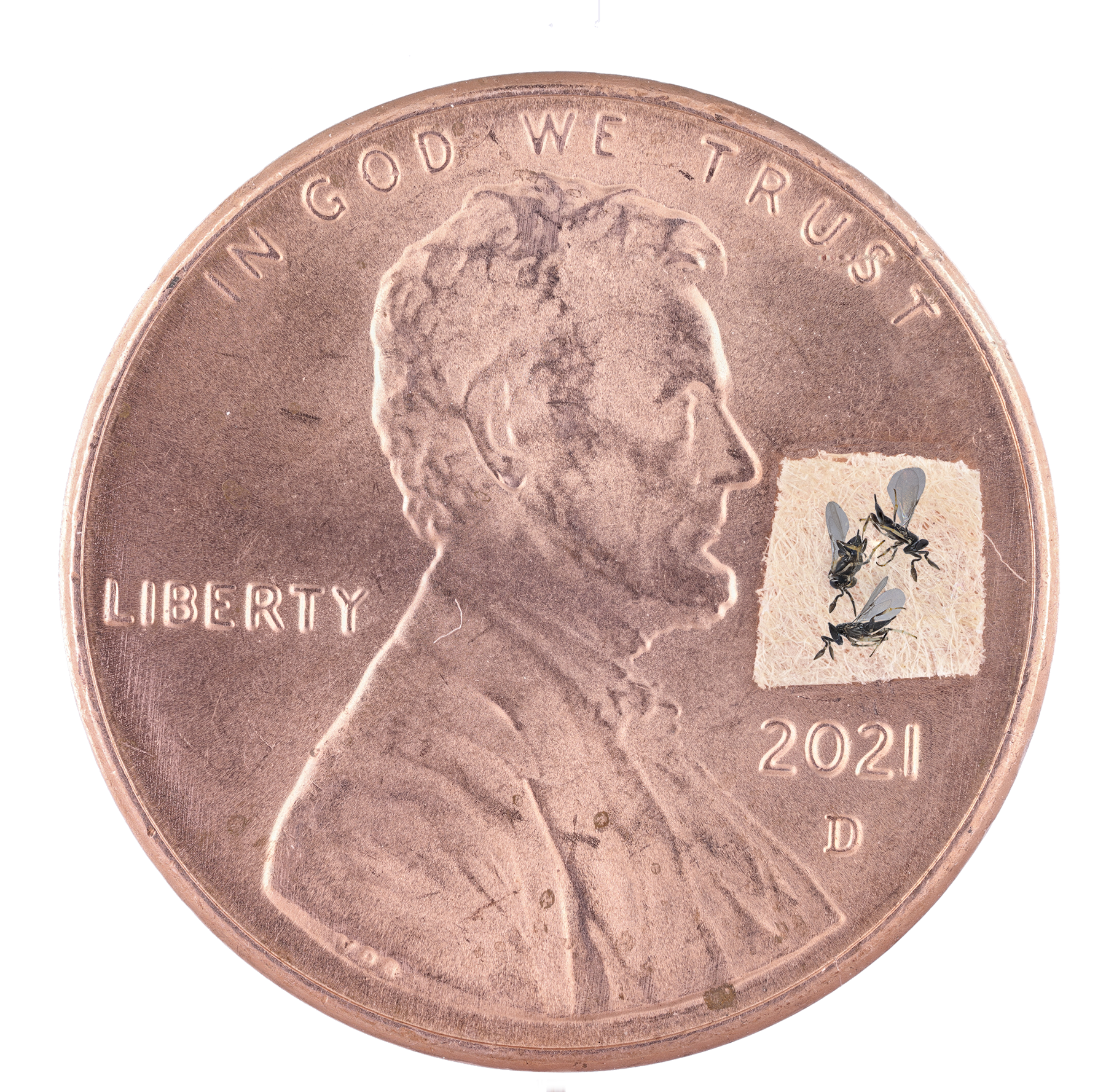
Oobius agrili adults on penny for scale
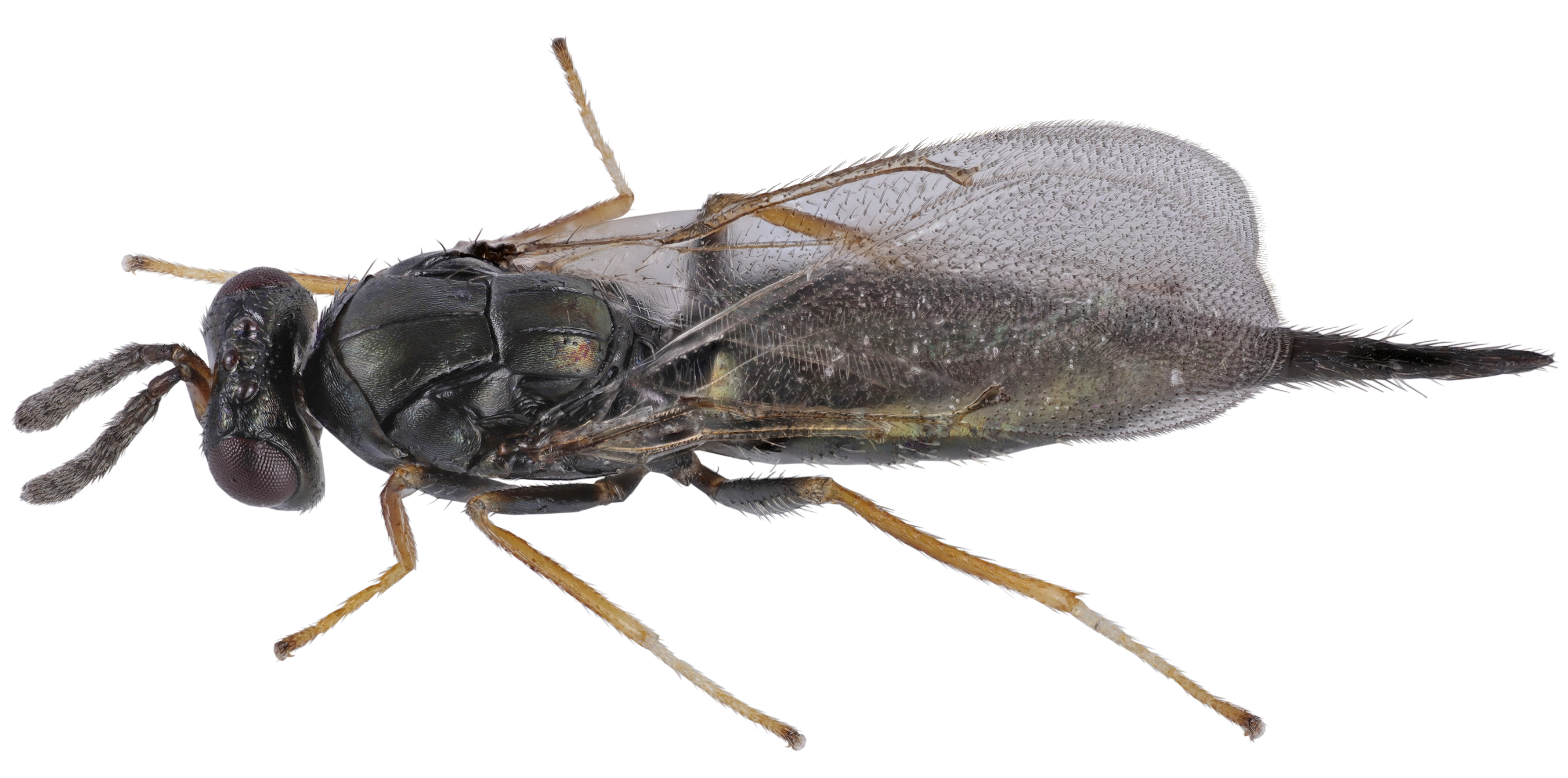
Tetrastichus planipennisi adult female
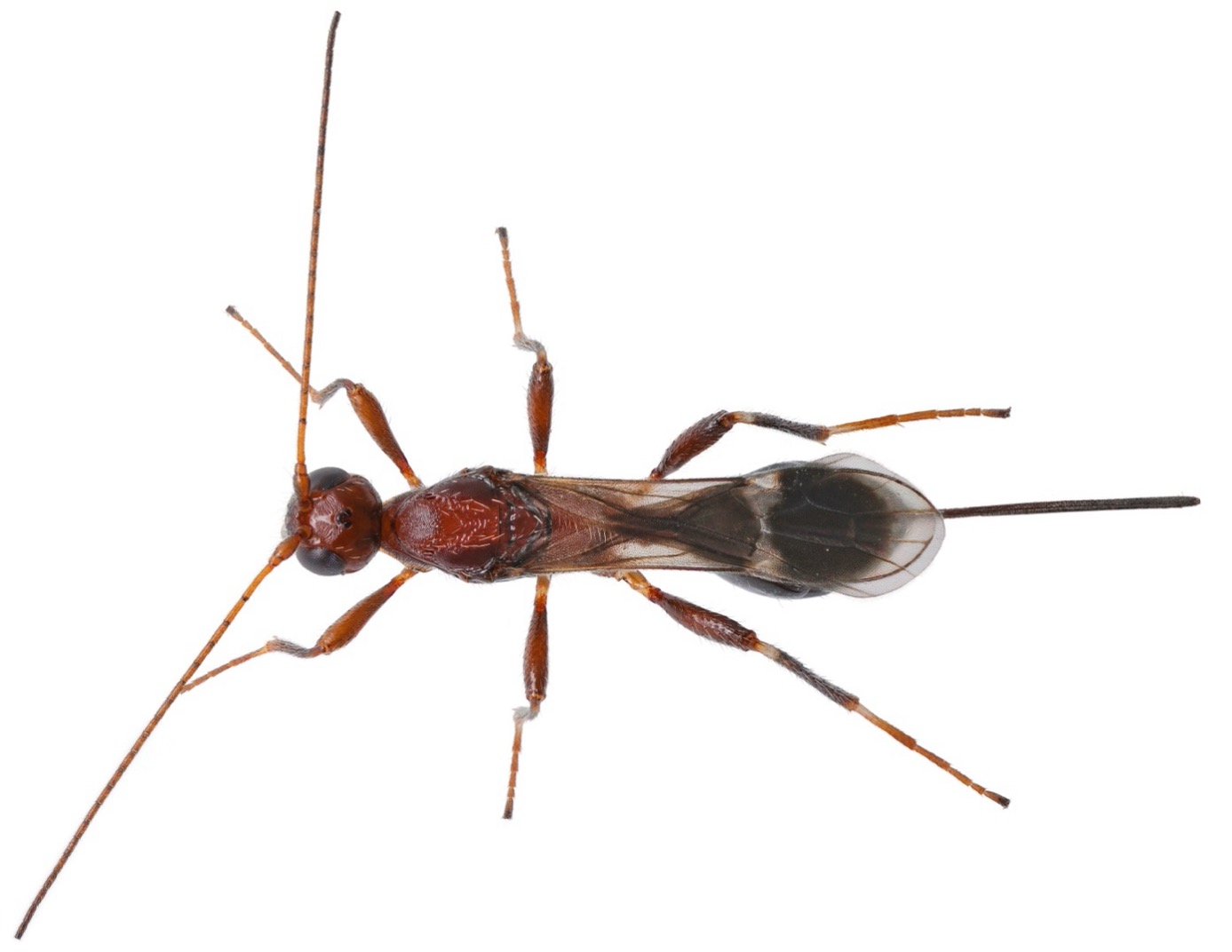
Spathius galinae adult female
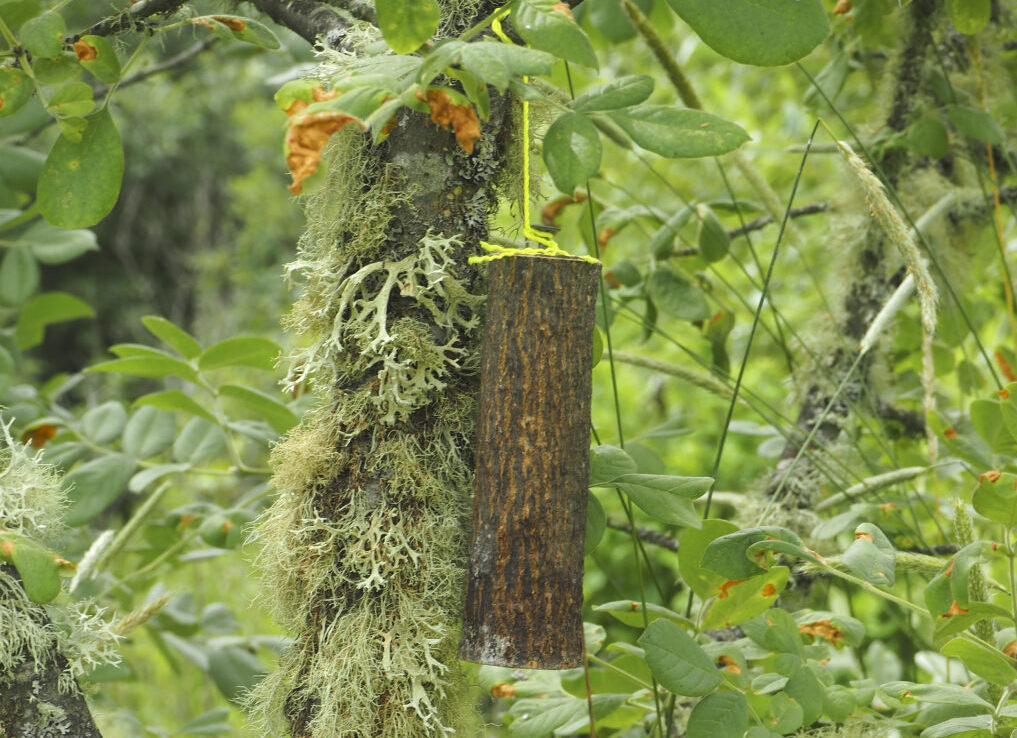
Bolt containing Spathius galinae-infested EAB larvae, hung in an ash tree for release