The Oregon Department of Agriculture (ODA) is responsible for implementing TMDLs, established by the Oregon Department of Environmental Quality (DEQ), on agricultural lands in Oregon.
What is a TMDL?
The Total Maximum Daily Load, or “clean water plan”, is a science-based approach to cleaning up polluted water. A TMDL is a numerical value that represents the highest amount of a pollutant a surface water body can receive and still meet the standards. When too much of a pollutant enters the water from the air, fields, lawns, or urban areas, it can hurt water quality. Pollutants can impact our ability to use water for drinking, irrigation, recreation, and more. A TMDL is established by DEQ because a waterbody contains enough of a pollutant to be above a safe level for the designated use of that waterbody.
For example, a river could have a designated use of drinking water. If that river has a river has too much
E. coli to be safe for drinking water, DEQ may establish a TMDL. The TMDL highlights the problem and focuses local efforts on addressing the
E. coli issue.
TMDLs help identify where the pollution is coming from and what changes can be made to reduce it. For farmers and ranchers, that might mean adjusting how you use fertilizers, manage plants near streams, livestock, or runoff. When you reduce runoff and protect water quality, you improve soil health, increase farm yield, and protect the value of your farm or ranch for the future.
What does ODA do about TMDLs?
Once a TMDL is established, DEQ selects various entities to be Designated Management Agencies (DMA). These DMAs are tasked to implement clean water practices that will address the pollutant. These can include cities, counties, and state agencies. ODA is the DMA for agriculture and is responsible for creating a plan for all agricultural activities. ODA develops a plan:
with recommended agricultural practices,
- that creates objectives and targets for an implementation timeline,
- that provides a monitoring plan to track progress,
- and enforces water quality rules to ensure that agricultural activities are not disproportionately contributing to water pollution.
ODA is committed to working with farmers and ranchers to achieve clean water while supporting a strong, viable agricultural economy.
Upcoming Implementation Plans
ODA is developing the Willamette River Temperature TMDL Implementation Plan.
Learn more about the
Willamette Temperature TMDL. If you are a farmer, rancher, orchardist or agricultural farmer in the Willamette Valley, we want to hear from you. Provide your input by filling out our
landowner survey.
Environmental groups and advocates are invited to join for an interested parties session from 10-11:30 a.m. on
Friday, March 20.
Implementation Plans
Following are the completed TMDL Implementation Plans:
- Title
- Willamette Basin Mercury TMDL Implementation Plan (2023)
- Region Name
- Willamette Basin
- Concern
- Documents
- Summary
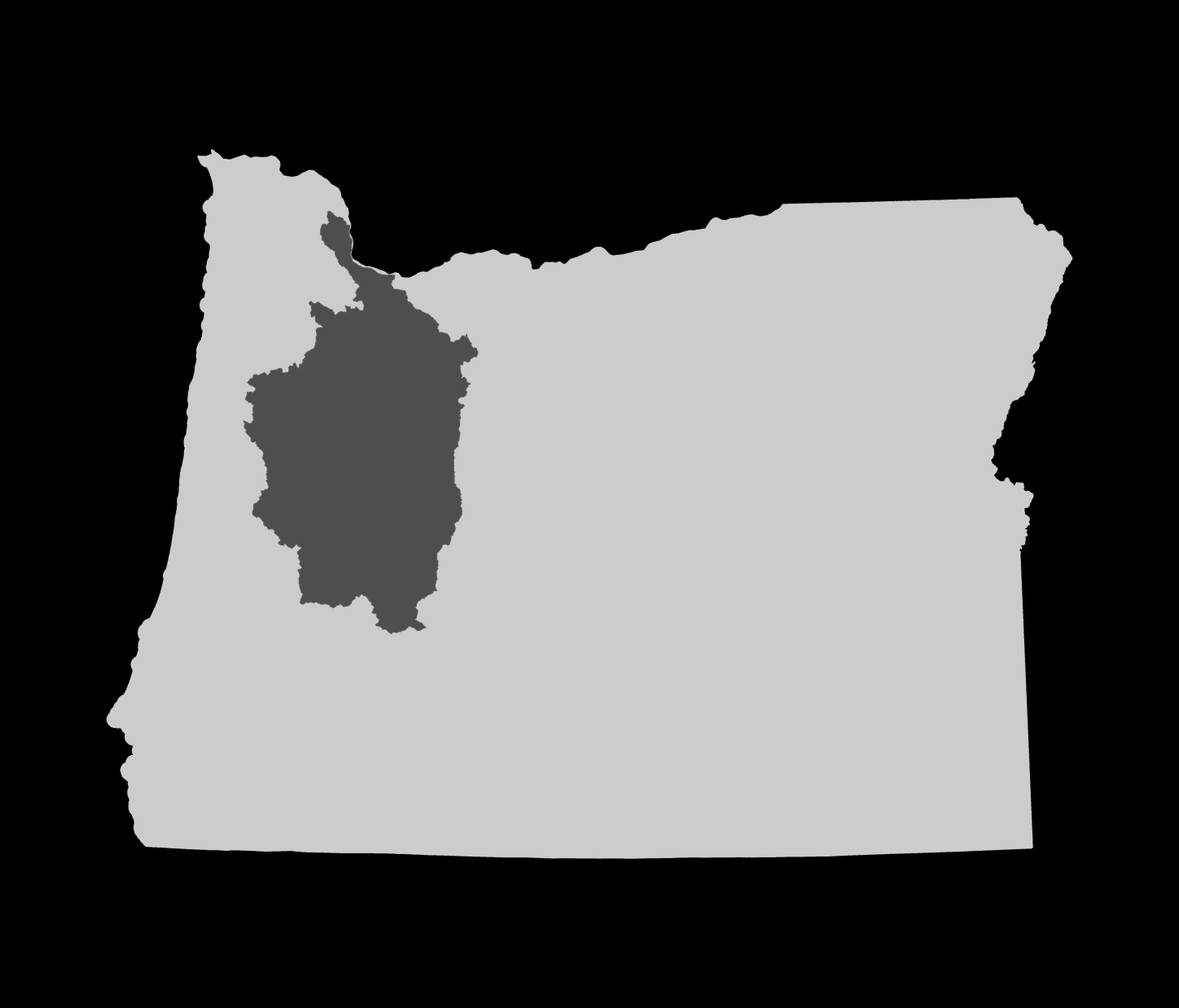
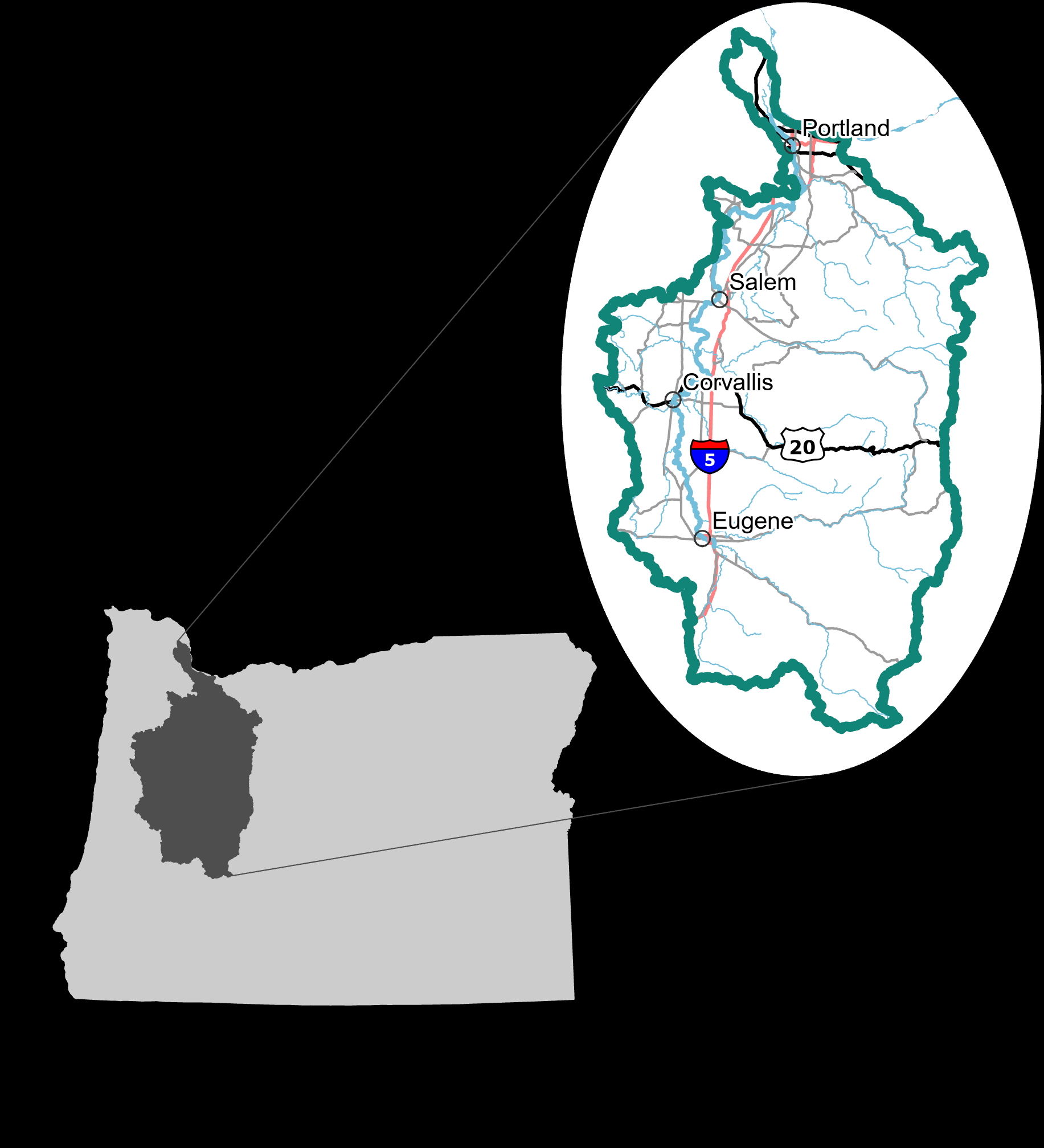
The Willamette Basin Mercury TMDL was EPA approved in November 2019. The pollutant is methylmercury and total mercury, which is generally deposited to all ground via airborne transport and then transferred to waterbodies via erosion. The mercury itself comes from industry around the US and the world. This is commonly referred to as a sedimentation, or soil health, TMDL, as keeping our soil intact and on our lands is the remedy for this TMDL. The goal is to reduce sedimentation, measured in Total Suspended Solids (TSS), by 88 to 96% as measured by maximum TSS levels.
- Maps
- Title
- Powder Basin TMDL Implementation Plan (2025)
- Region Name
- Powder Basin
- Concern
- Documents
- Summary
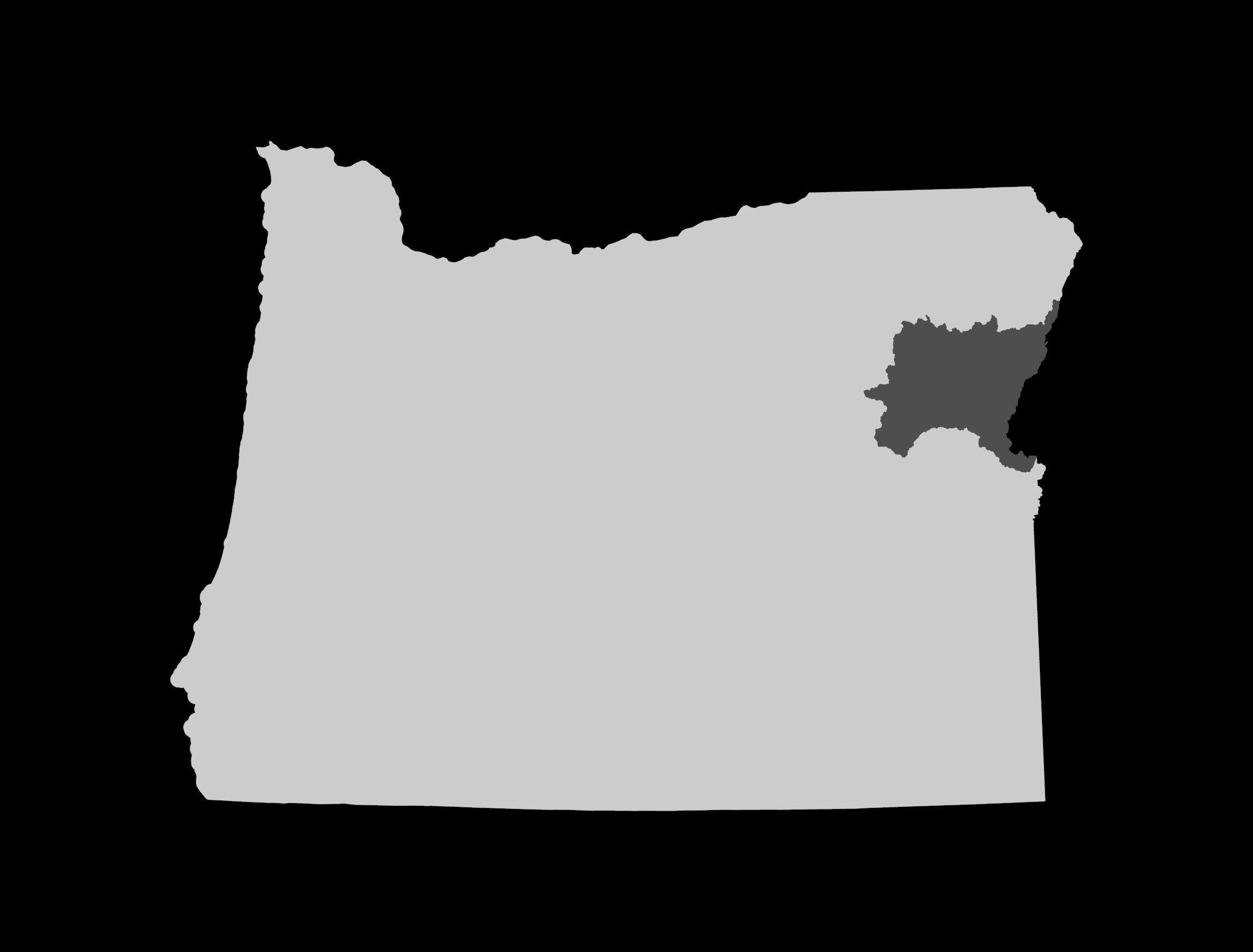
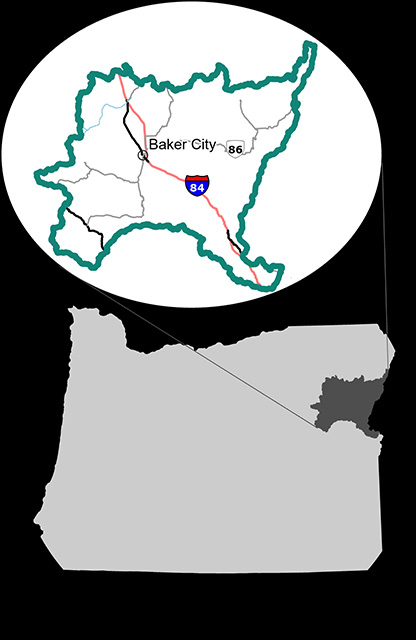
The Powder River Basin E. coli TMDL was approved by the EPA in July 2024. the pollutant is a specific type of fecal indicator bacteria Escherichia coli (E. coli) that indicates sources originating from humans and other warm-blooded animals. The TMDL applies to all freshwater perennial and intermittent streams in the Powder River Basin. The presence of E. coli in streams poses health risks for people, pets, livestock, and wildlife that use the waters within the Powder River Basin for recreational contact, consumption, and irrigation. Agricultural sources of E. coli in the Powder River Basin include livestock in and around streams as well as stormwater runoff, snowmelt runoff, and irrigation return water in contact with manure. The goal is to reduce E. coli by 40 to 95 percent.
- Maps
- Title
- Yaquina TMDL Implementation Plan (2025)
- Region Name
- Yaquina Basin
- Concern
- Documents
- Summary
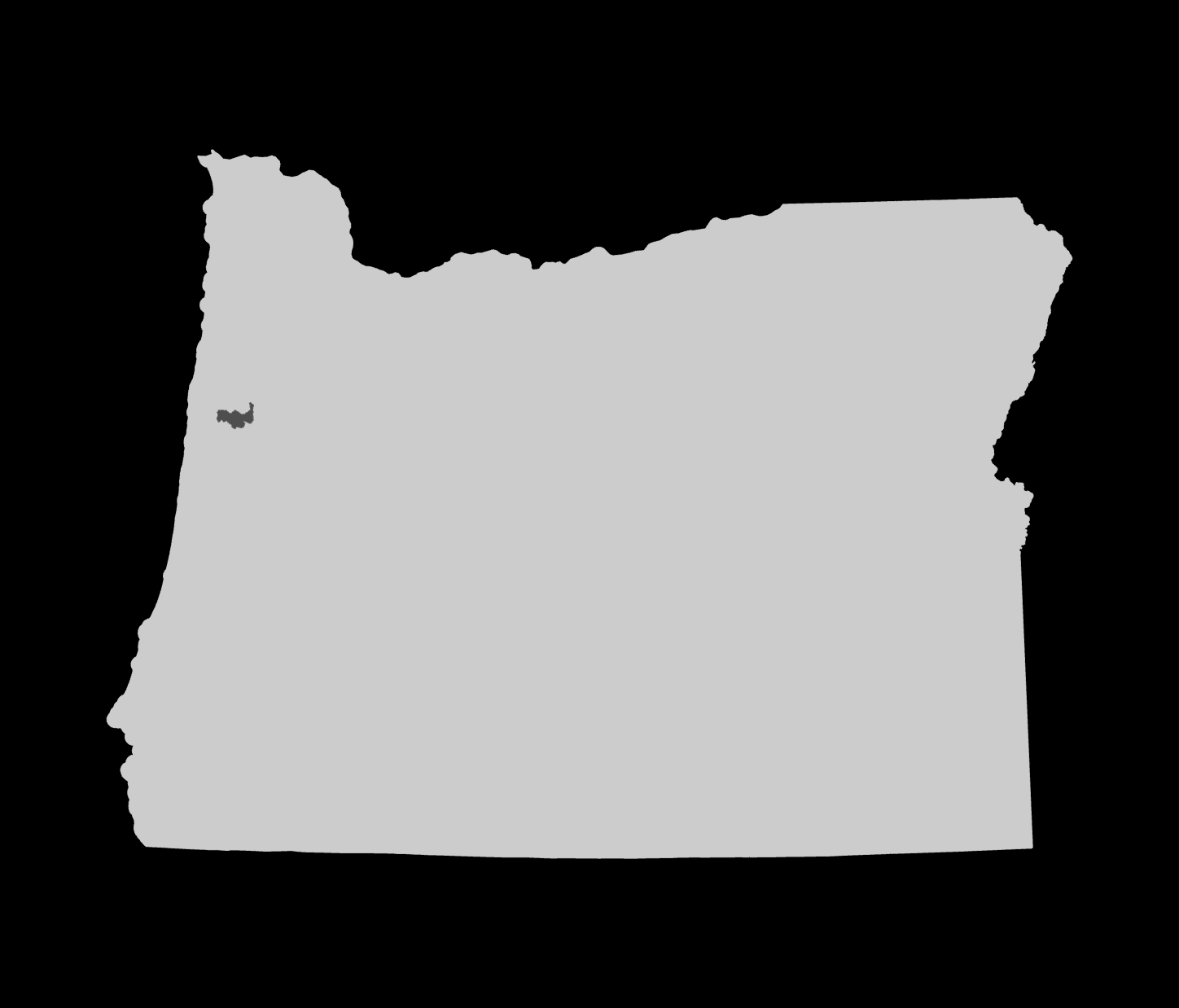
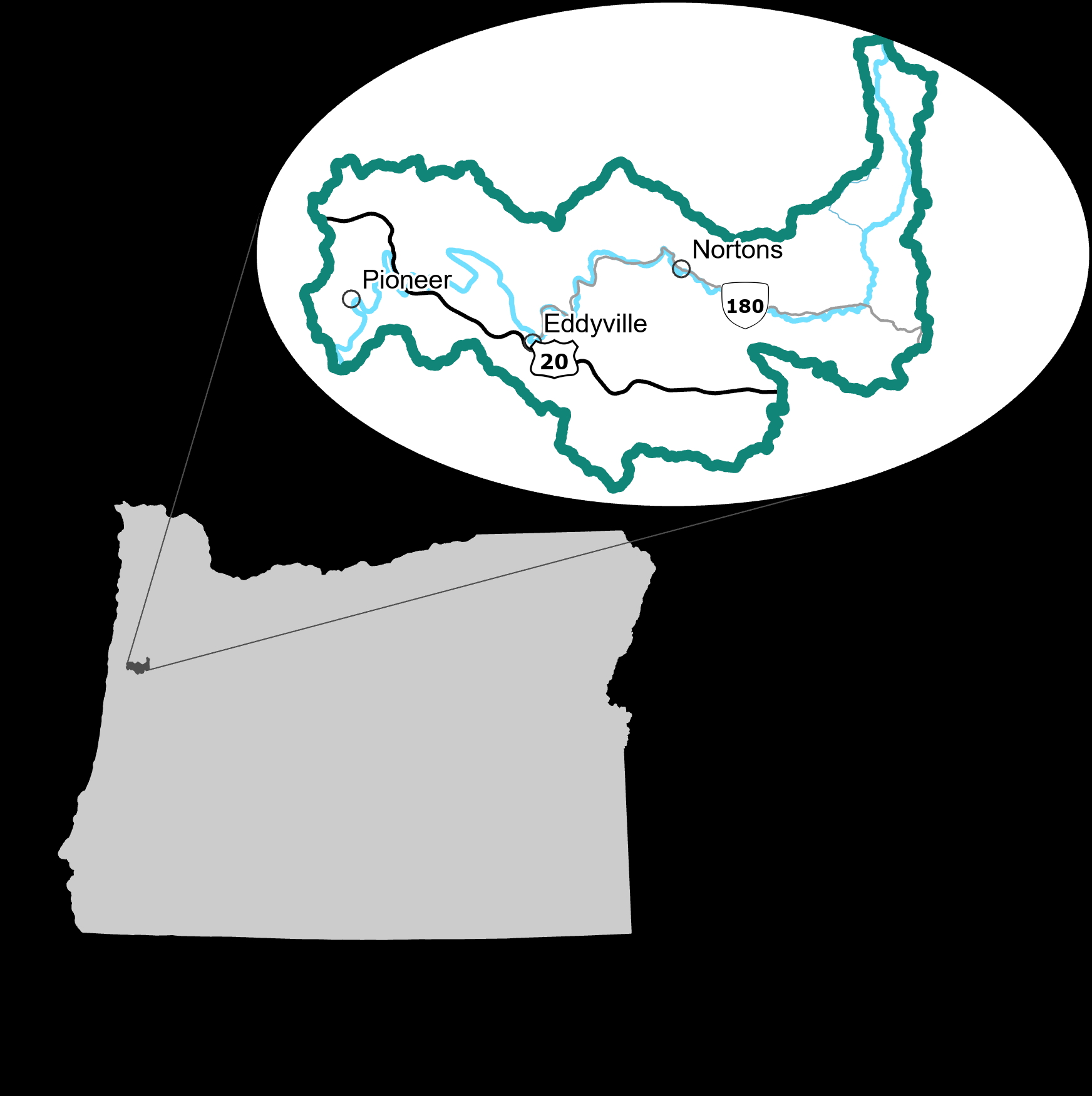
The Upper Yaquina Bacteria and Dissolved Oxygen TMDL was EPA approved in June 2025. The bacteria pollutant is E. coli which is attributed to domestic livestock manure runoff, failing septic systems and wildlife. The dissolved oxygen impairment stems from excess total phosphorus and solar radiation. Within the Agricultural sector, remedies for these include sufficient vegetation, including trees, in riparian areas to filter potential runoff and reduce solar radiation, as well as reducing livestock access to streams to allow vegetation to grow. The goals of this TMDL include reducing solar radiation by 76%, reducing phosphorus by 50%, and reducing bacteria by 83%.
- Maps
More information about TMDLs
For more information about TMDLs in Oregon, visit Oregon Department of Environmental Quality's
TMDL website.