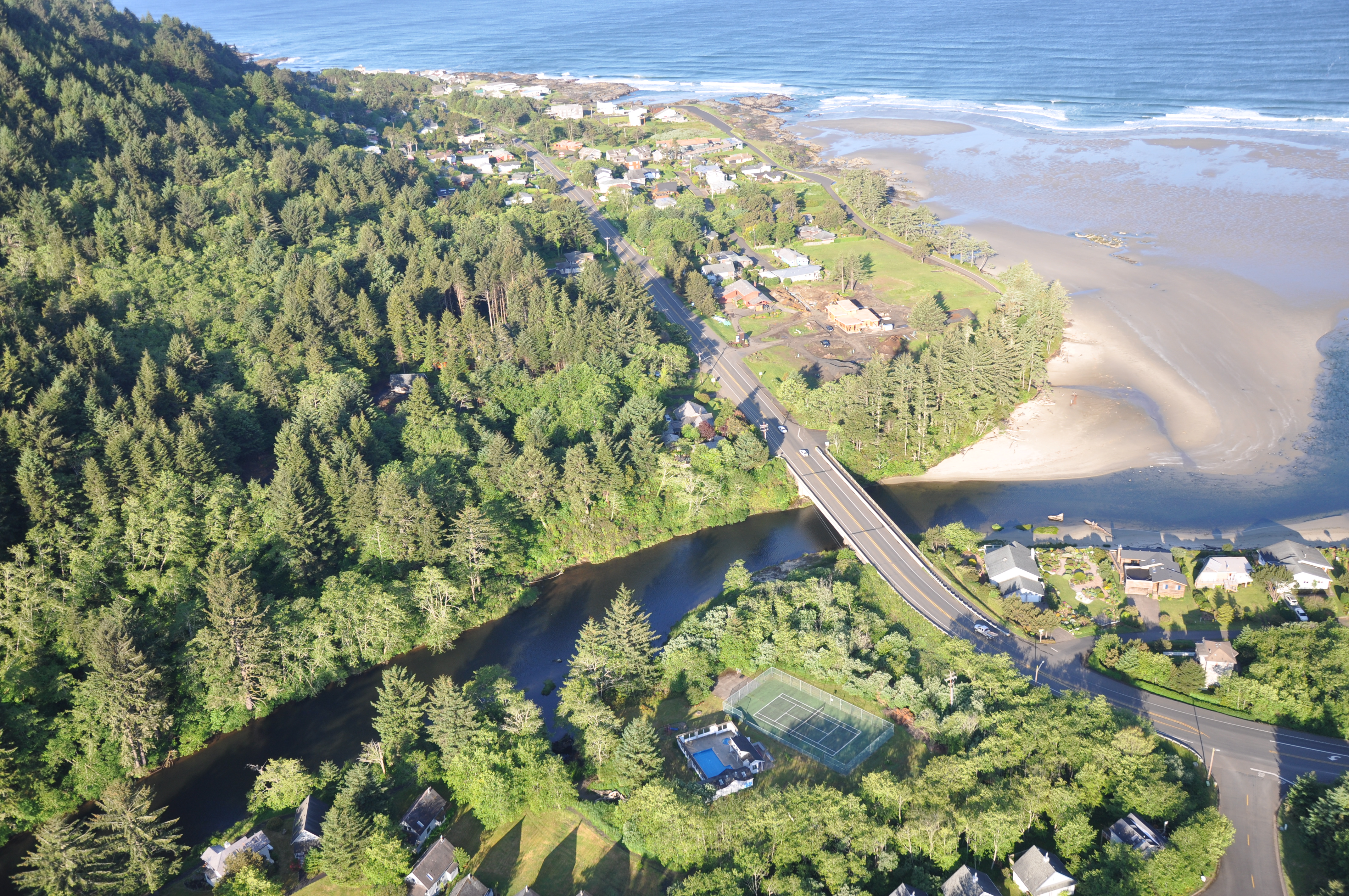
Estuaries are where rivers meet the sea — forming transition zones where fresh and saltwater mix. This creates rich, productive ecosystems for humans and animals alike, often forming the heart of coastal communities. Estuaries are some of the most diverse habitats on the planet. They support wildlife such as birds and fish, especially salmon, and serve as vital nurseries for most commercially harvested fish and shellfish. Estuaries are crucial for coastal protection, acting as buffers against storms and floods, while also filtering water and storing carbon. They also support significant economic activities like tourism, fishing, and recreation.
In Oregon land use, an estuary is defined as a body of water semi-enclosed by land, connected with the open ocean, and within which salt water is usually diluted by freshwater derived from the land. Estuaries include estuarine water, tidelands, tidal marshes, and submerged lands. Estuaries extend upstream to the head of tidewater, except for the Columbia River Estuary, which by definition extends to the western edge of Puget Island.
In Oregon, coastal counties and cities are required to develop and implement plans in coordination with state and federal agencies to manage activities and uses in estuarine waters and adjacent lands. Statewide Planning Goal 16: Estuarine Resources provides guidance for the planning and management of Oregon's estuaries.
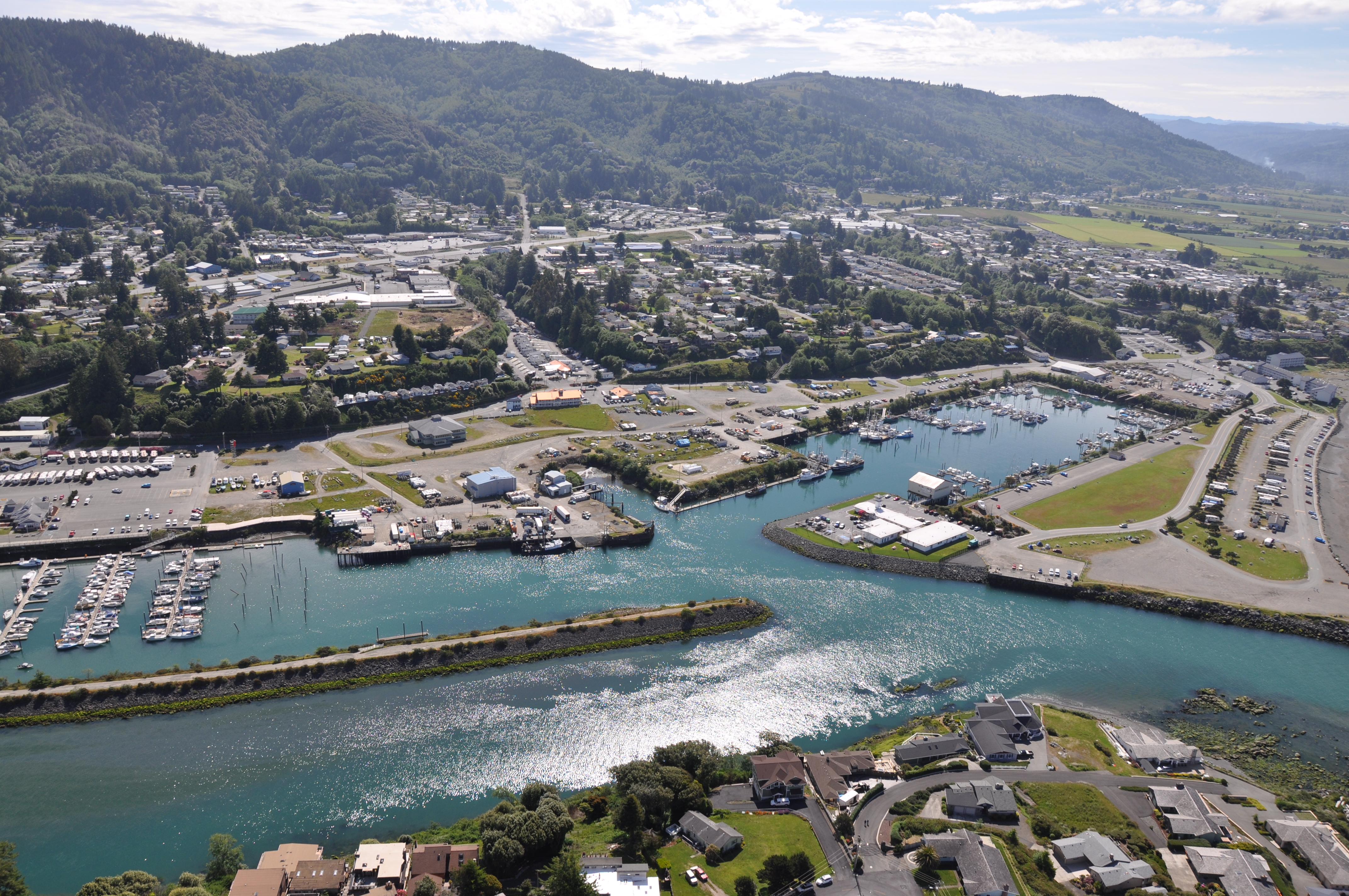
The overall objective of Goal 16 is to:
- Recognize and protect the unique environmental, economic, and social values of each estuary and associated wetlands,
- Protect and maintain the long-term benefits of Oregon’s estuaries, including their diversity and environmental, economic, and social values, and
- Develop and restore estuary lands where appropriate to meet these goals.
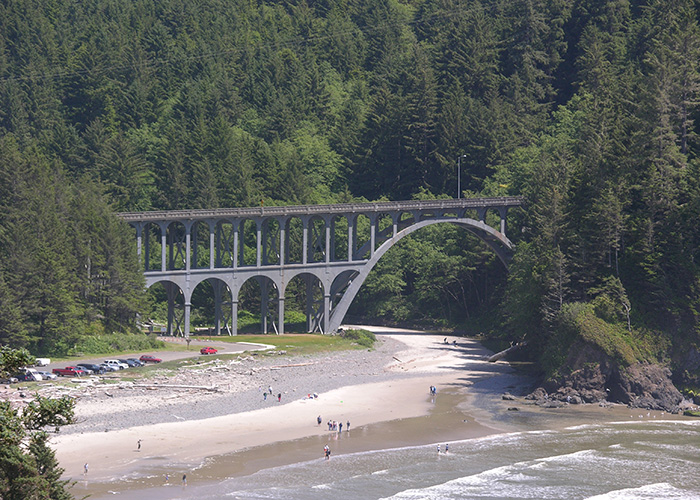 Goal 16 requires local management plans for each estuary to designate appropriate activities and uses for areas within each estuary based on biological and physical characteristics and features. Estuary management plans must include a review process for proposed estuarine alterations to ensure that future changes in land use are consistent with overall management objectives and minimize adverse impacts to the ecosystem. Estuary management plans are integrated into local comprehensive plans.
Although most Goal 16 requirements are implemented through locally adopted estuary management plans, some are applied by state agencies through their review of various permit applications.
Note: Goals 15, 16, 17, and 19 often overlap with
Goal 5: Natural Resources, Scenic and Historic Areas, and Open Spaces. In those instances, the requirements of Goals 15, 16, 17, and 19 supersede Goal 5 requirements for natural resources.
Original Adoption: 12/18/76; Effective: 6/7/77
Amended: 10/11/84; Effective: 10/19/84
Read the full text version of Goal 16
Administrative Rules that implement Goal 16:
OAR 660-017 – Classifying Oregon Estuaries
OAR 660-031 – State Permit Compliance and Compatibility
OAR 660-035 – Federal Consistency
OAR 660-023-0240 – Relationship of Goal 5 to Other Goals
Related:
Estuary Planning