 Most school lands and waterways are open for public recreation, like hiking, fishing, swimming, hunting, dispersed camping, sightseeing, and photography. We count on those accessing state lands to help safeguard the quality of the natural environment so wildlife and other humans can continue to benefit from these outdoor spaces.
All lands managed by the Department of State Lands, except those at the
South Slough Reserve on the southern Oregon coast, do not have restrooms, trash cans, established trails, developed campsites, or treated drinking water.
Recreation Guidelines
When visiting state-owned lands, protect Oregon's natural resources for the safety and enjoyment of all land users by following these rules:
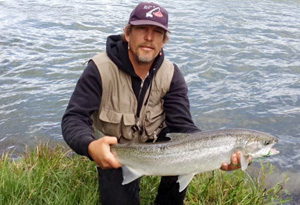
Visitors with the appropriate licenses, tags, and permits from the Oregon Department of Fish and Wildlife may hunt or fish on state-owned lands. All activities must follow ODFW regulations.
Firewood cutting is permitted at certain times of the year for those with firewood permits. Contact us for details. The cost is $20 per cord, with a 2-cord maximum.
Most natural resources on state-owned land, including stones, petrified wood, pinecones, Oregon grape, mushrooms, tree boughs, and other plants and materials up to a certain value may be collected for personal use. Contact us to learn more about collecting minerals and materials.
Please note: it is against state law to remove or damage cultural resources, including Tribal graves, archaeological artifacts, and sites.
Recreating at the Elliott State Research Forest
Like other state-owned lands, the
Elliott State Research Forest does not have restrooms, trash cans, water sources, or developed campsites. There are also no established trails. Cell service at the Elliott is spotty at best. We recommend downloading and saving a
geo-referenced map of the Elliott before your trip.