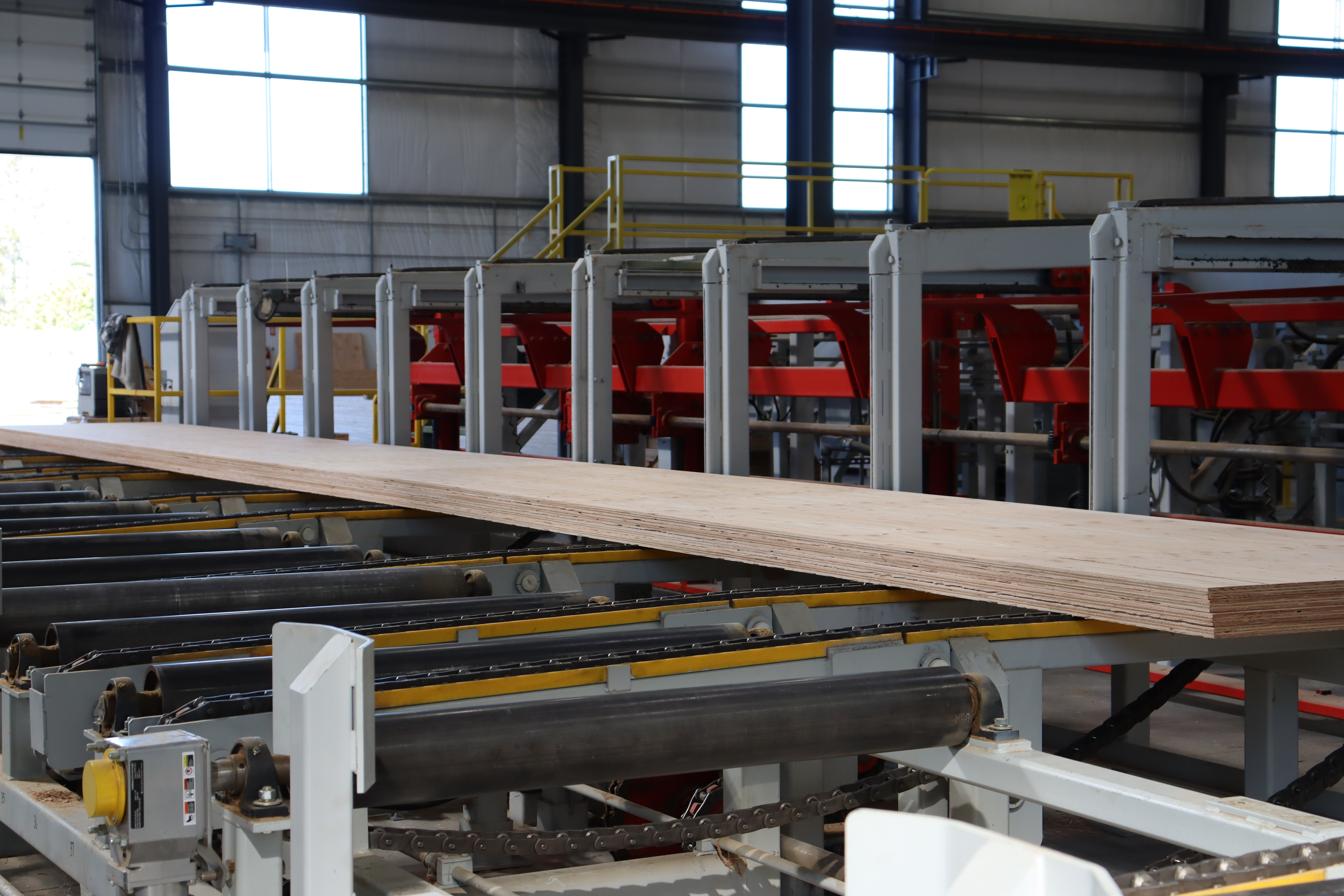
 Statewide Planning Goal 9: Economic Development requires local governments to plan for economic growth opportunities. Its purpose is to ensure cities and counties have enough land available for economic growth and development opportunities. Goal 9 is implemented through administrative rules that provide a process for local governments to anticipate the amount and type of land needed for economic activities over a 20-year period. Local governments may engage in economic development land use planning whenever they anticipate need for more or different types of employment land. Most employment land is designated and zoned for commercial or industrial activity.
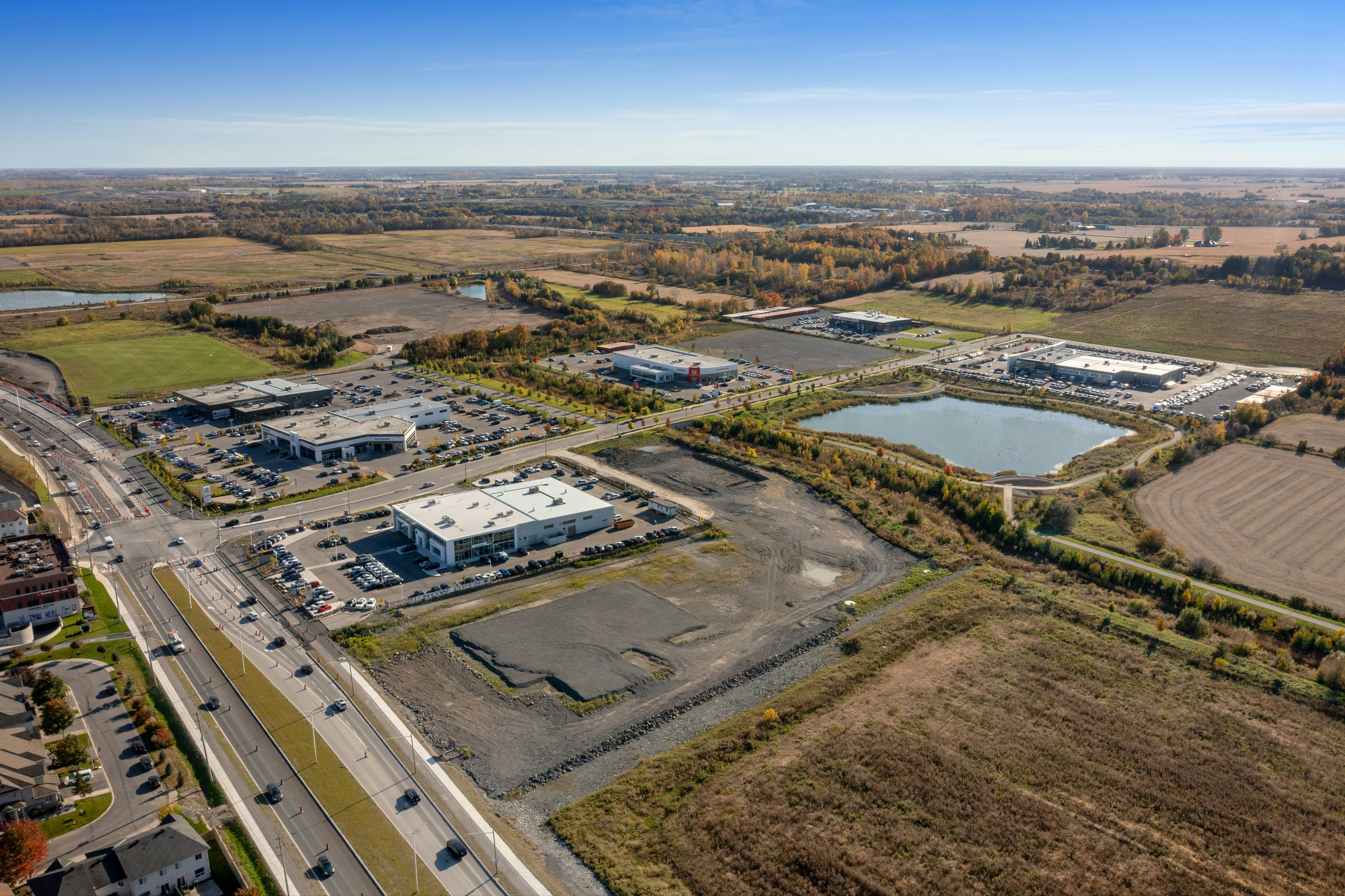
Adequate employment land is essential for Oregon’s communities to thrive. Each city and county has a unique local vision for economic development. Ideally, this vision reflects community preferences, aspirations, and needs for the future.
Goal 9 requires that local comprehensive plans provide opportunities for economic development by anticipating land needs for industrial, commercial, and other types of economic activities. To prepare for economic development opportunities, local governments perform Economic Opportunity Analyses based on a 20-year forecast of population growth, job growth, and economic trends.
Under Goal 9, all local governments should have a working inventory of areas suitable for economic growth that can be provided with public services. These inventories primarily focus on planning for major industrial and commercial development by having a ready supply of land appropriately zoned and located for those opportunities and local investments.
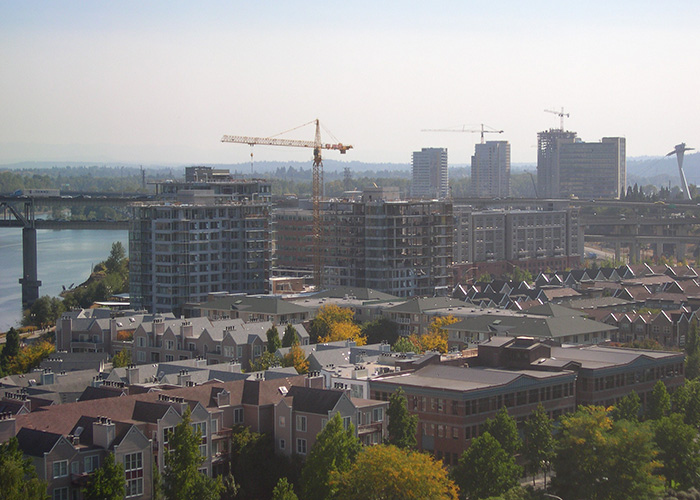 The economic development plans formed by a local government may use one or more market incentives to encourage the type of development a community or county would like to see. These might include tax incentives or disincentives, land use controls, or preferential assessments. Local comprehensive plans should include specific objectives and actions that will help the community achieve its economic development aspirations.
Original Adoption: 12/27/74; Effective: 1/25/75
Amended: 2/17/88; Effective: 3/31/88
Read full text version of Goal 9
Administrative Rules that implement Goal 9:
OAR 660-009 – Economic Development. These administrative rules define terms, describe the applications of Goal 9 for local governments, and list the required elements of a local comprehensive plan for related to employment lands.
Related:
Economic Development – DLCD’s economic development resources for planners and local governments.
Goal 9 Guidebook (2005) – This guidebook is designed to help local officials and planners conduct an Economic Opportunities Analysis to estimate future employment land need.
Population Forecasts – Population forecasting is used to estimate economic and job growth in many comprehensive plans.
Oregon Employment Department Economic Growth Projections – Many economic opportunities analyses also rely on regional employment growth projections.