Our Beaches, Our Impact
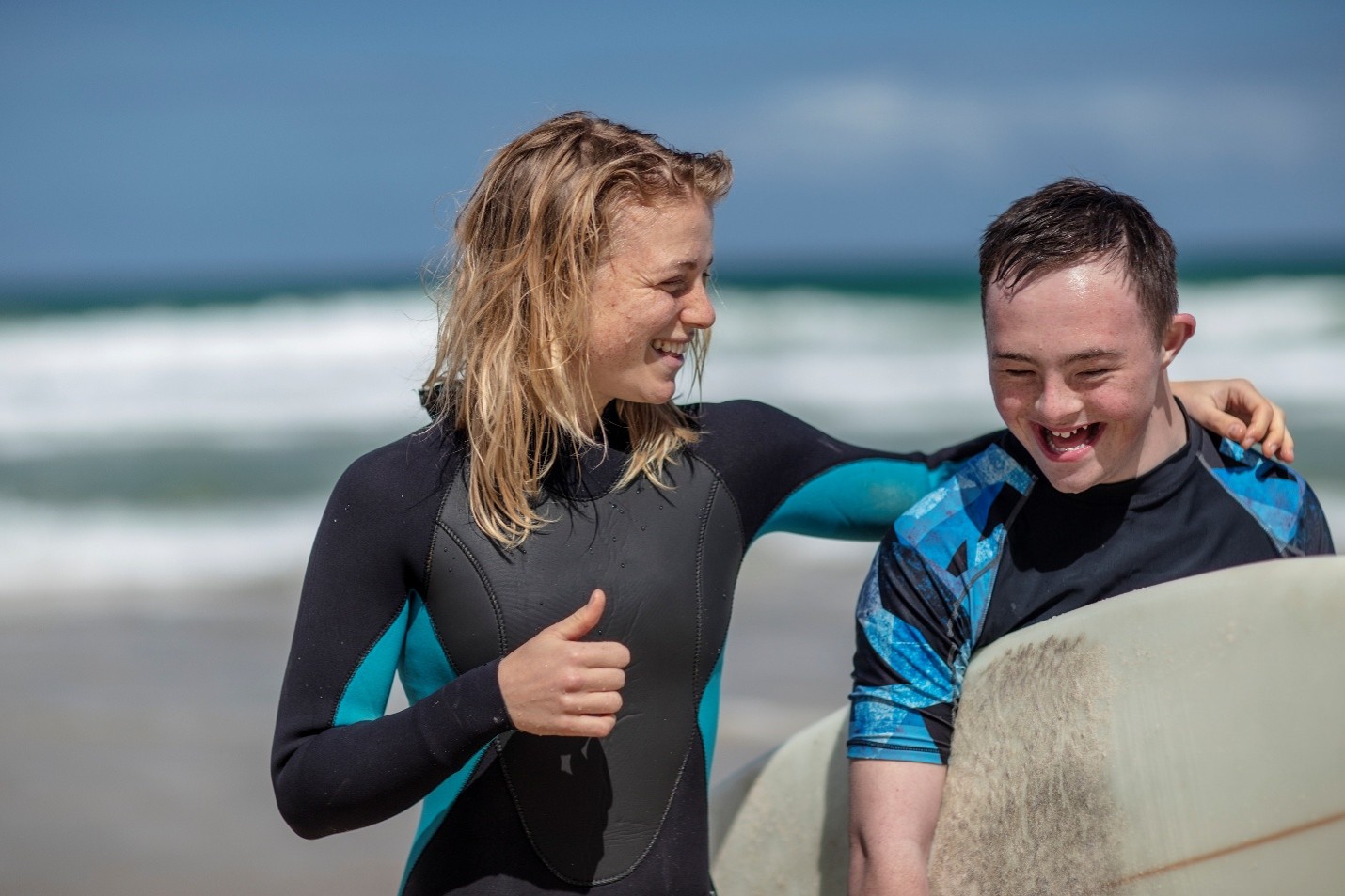 The choices we make about our yards, pets, disposal of liquid and solid wastes and basic everyday activities have an impact on the ocean. Our choices also effect the streams and rivers that flow into the ocean.
By being mindful of our impact, we can preserve Oregon's beautiful coastline for everyone to enjoy. This page covers practical ways to help protect our beaches.
 Tips for Protecting Ocean Waters
- Conserve water. The more water you use, the more water you send down the drain to be processed at sewage treatment facilities. Excess water can lead to sewer overflows, which can cause raw sewage to end up in streams, rivers and beach areas.
- Use designated restrooms at beaches. This can help to decrease the amount of human waste that is washed into the ocean. Keep diapered children out of the water and dispose of diapers properly.
- Properly dispose of pet waste. Bring bags to collect pet waste and throw it away in a trashcan. This helps decrease the amount of waste that is washed into streams, rivers and beaches when it rains.
- Dispose of trash properly. Place all waste in a trashcan, not on the beach or in the water.
- Use natural products in your yard. Whenever possible, minimize or eliminate the use of chemical herbicides and pesticides that can pollute the water.
- Maintain your septic system,
including the drain field. Follow manufacturer instructions regarding pumping and maintenance service. This prevents the release of raw sewage into storm drains, rivers, streams, and the ocean after heavy rainfall.
- Properly dispose of boating waste. Empty portable toilet and sewage holding tanks into approved on-shore facilities. Maintain engines to minimize discharges of oil and gasoline.