
Because the
Hanford Site
sits along the Columbia River just 35 miles from Oregon's border, our
priority is to ensure cleanup actions are protective of the river.
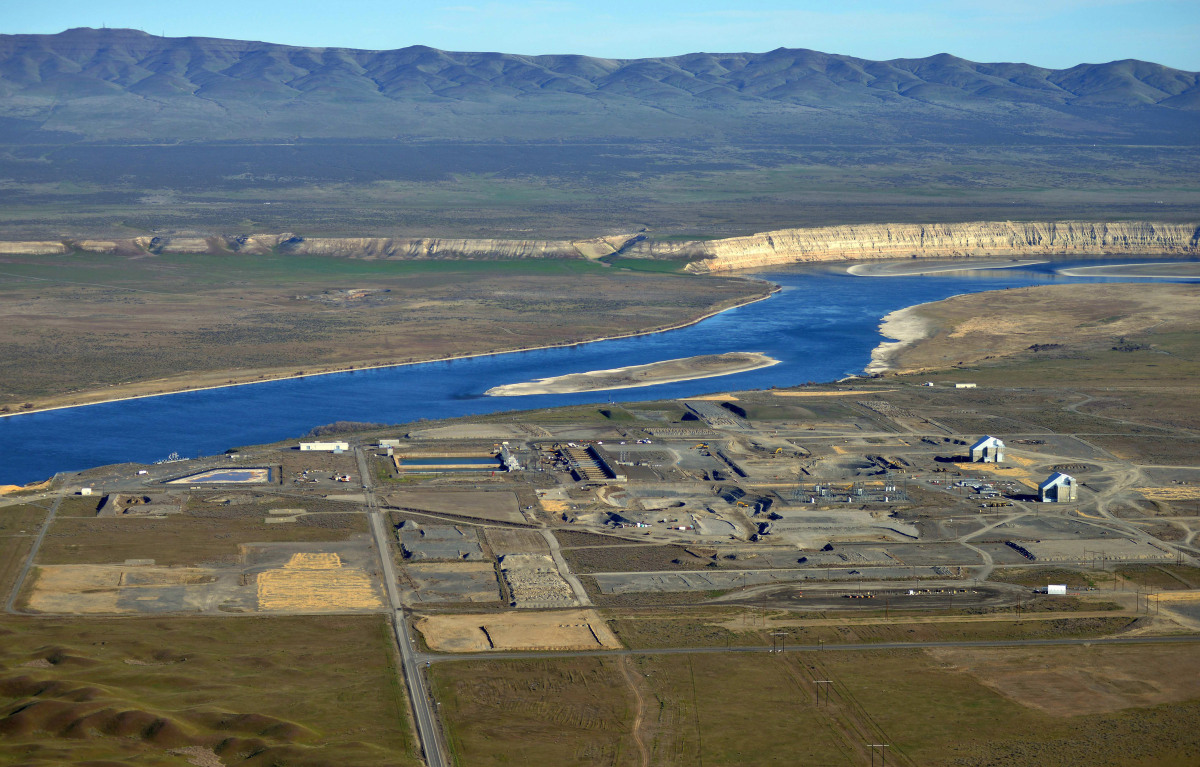
Forty years of plutonium production at Hanford created immense amounts of
radioactive and contaminated waste. The most contaminated waste is stored in
underground
storage tanks. Unfortunately, the
groundwater at Hanford
also has contaminants, which could affect the river.
So what contaminants from Hanford have reached the river? Is it safe to swim
in or eat fish from the river?
There are chemical contaminants in the river from Hanford and from many
other sources, such as farmers' fields, paper mills, and other industries,
as well as radioactive materials from natural sources and from past nuclear
weapons tests. Small amounts of chemical and radioactive materials from
Hanford do enter the river, but are quickly diluted and generally not
detectable beyond the immediate area where they enter the river. Measured
concentrations consistently have been low, and no restrictions are in place
for use or recreation in the river as a result of Hanford.
A number of health and environmental organizations regularly sample and test
the Columbia River water and issue health advisories if there are concerns.
For example, in September 2013, the Oregon Public Health Authority advised
people to limit the amount of resident fish consumed that are taken between
Bonneville Dam and McNary Dam due to moderate levels of mercury and PCBs
(from sources other than Hanford). In August 2017, the Washington State
Department of Health
issued a similar advisory
from McNary Dam upstream to the Interstate 90 bridge near Vantage,
Washington. This area includes the entire portion of the river that runs
through the Hanford Site. However, this advisory was also due to PCBs and
mercury from sources other than Hanford.
More information on water quality within the river is available on the
Oregon Department of Environmental Quality
and the
U.S. Environmental Protection Agency
websites.