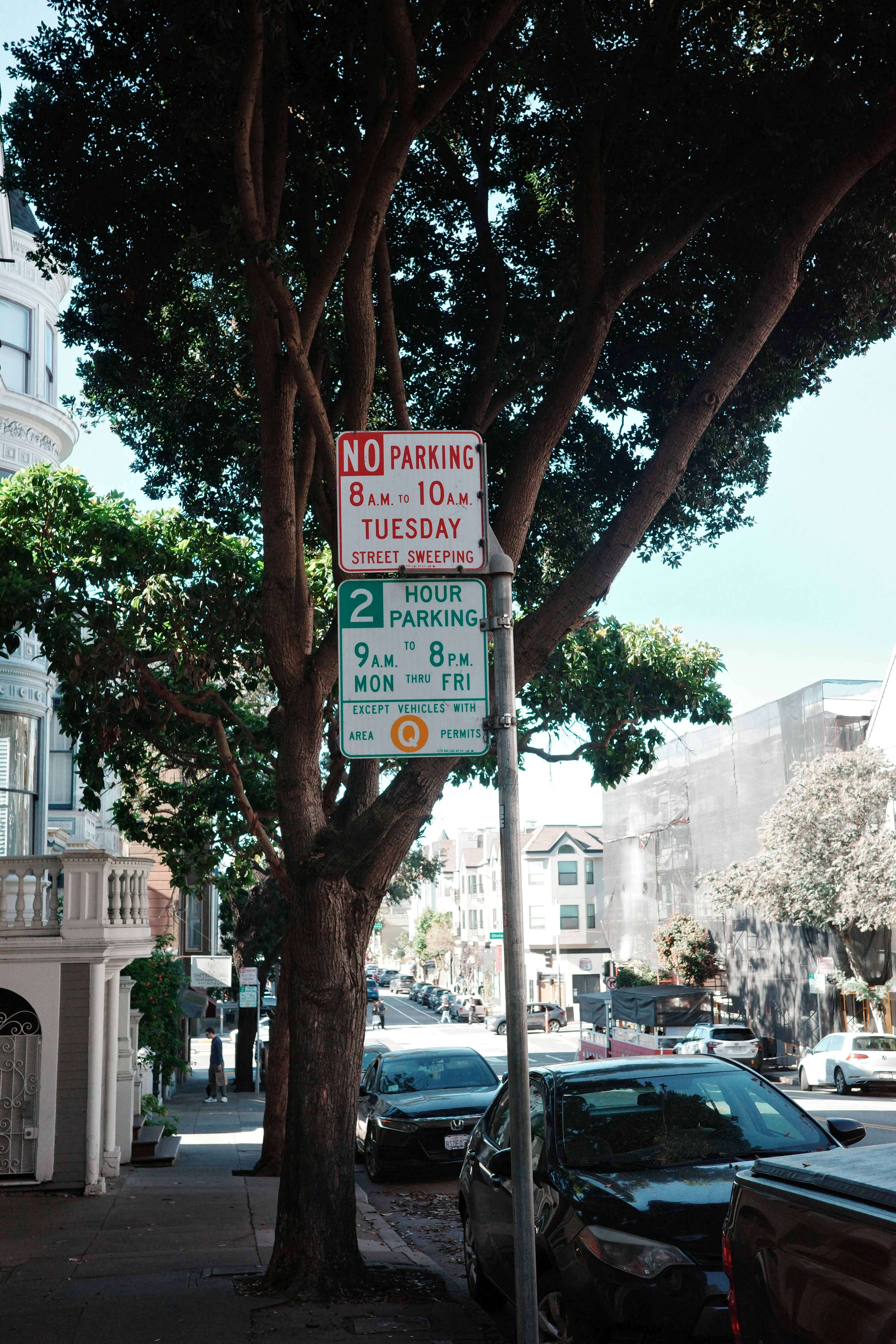
 Many Oregon cities face parking challenges, often related to availability in and around their downtown. By updating parking management strategies and requirements, local governments can increase housing affordability, boost business revenues, improve health, and reduce climate and water pollution. The Transportation and Growth Management (TGM) Parking Reform and Management program helps cities and counties reduce or eliminate off-street parking mandates and develop parking management plans to increase land use efficiency for parking. The program helps cities engage with their communities to address parking concerns and improvements.
Parking Reform and Management Projects
TGM offers community assistance on parking reform and management projects. Usually, TGM contracts with consultants to work with the city or county. In some cases, DLCD staff directly helps the city or county. Each project requires significant involvement of local jurisdiction staff and support including public notices and meeting logistics.
Parking reform and management projects typically start with gathering data on existing parking conditions, community engagement, and exploring options. When the city or county is ready to make changes, project adoption may include:
- Development code amendments that significantly reduce or eliminate off-street parking mandates
- A parking management plan
Projects usually address parking throughout a city or county. In some cases, a project could cover a specific area, such as downtown or a transit corridor.
How to Apply for Assistance
Send a one- or two-page letter to the
program coordinator that describes the problems to be addressed. If available, please provide links or attach existing development code on parking mandates, current parking management (time limits, permits, meters), parking demand studies, or parking utilization studies. Include a resolution from the local decision-making body (e.g., city council) supporting the project. Letters of support from a chamber of commerce or business association are helpful.
There is no specific deadline to apply. Applications are reviewed on a rolling basis.
Parking Reform and Management Resources
Parking Management Jump Start Guide
The Parking Management Jump Start Guide provides relevant and actionable parking management guidance for Oregon communities, inclusive of all sizes and geographic contexts. Topics include:
- Assessment and outreach,
- Striping,
- Signage,
- Wayfinding,
- Meters and permits,
- Parking benefit districts, and
- Enforcement.
The guide also includes several case studies from Oregon communities of a variety of population sizes.
Interactive StoryMap for the Parking Management Jump Start Guide
Parking Management Jump Start Guide (73 MB PDF, formatted for wide computer screens and print outs)
Parking Management Jump Start Guide (73 MB PDF, optimized for mobile devices)
Parking Management Jump Start Guide (5 MB, for screen viewing but not printing)
Parking Data Collection and Meter Revenue Estimating Tool;
If you would like a physical copy of the guide and live in Oregon, send a request to
bill.holmstrom@dlcd.oregon.gov.
Additional resources:
Example Projects
In 2024, the City of Independence adopted a parking management plan for their downtown. The city engaged community members in the downtown parking project through a
video campaign and virtual community meetings in
English and
Spanish.
Other examples: