Identifying CyanoHABs
CyanoHABs can look many ways, and it's important to know how to recognize them. There are 2 types of blooms:
-
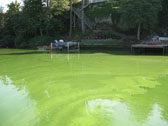
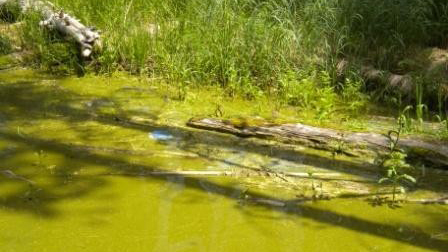
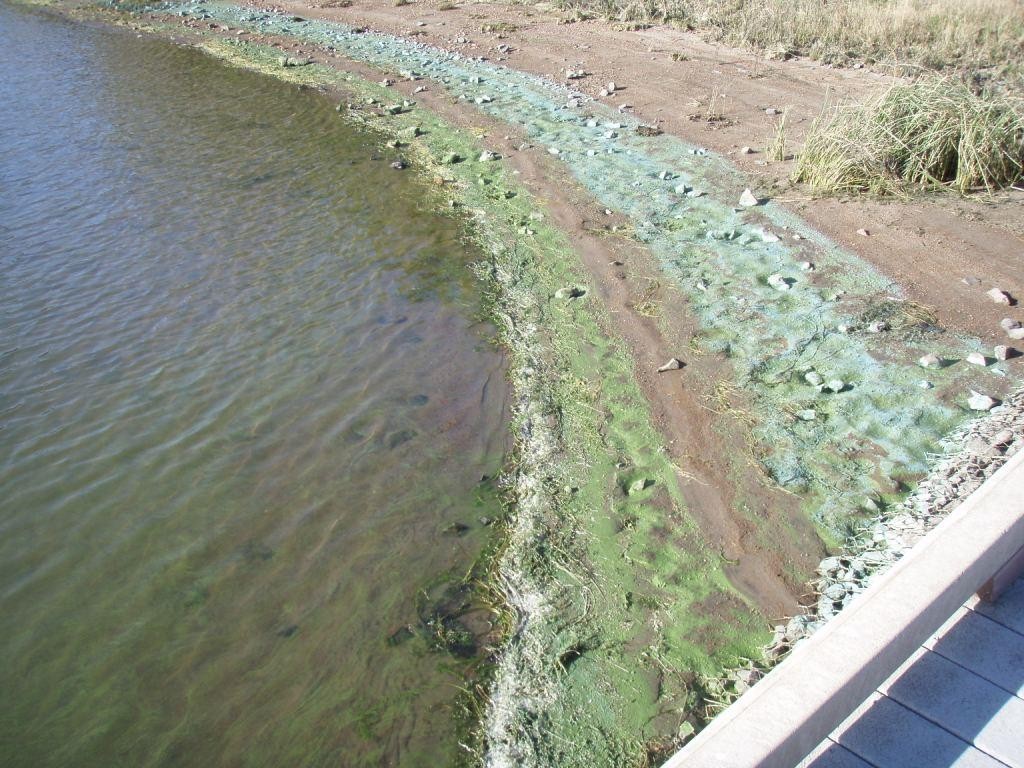
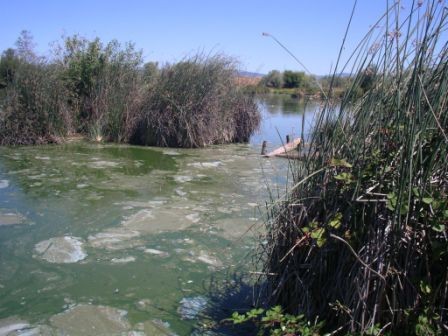
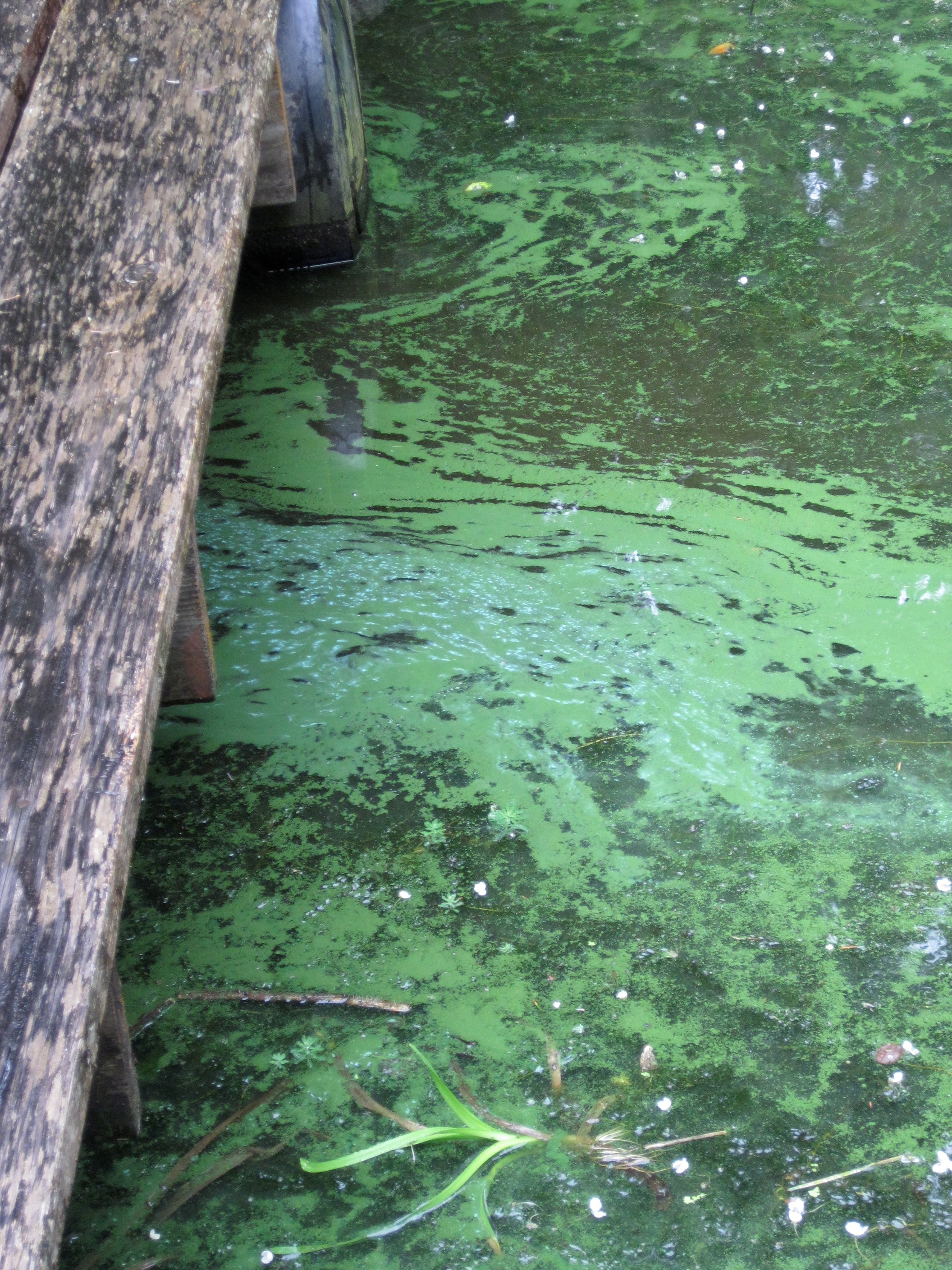
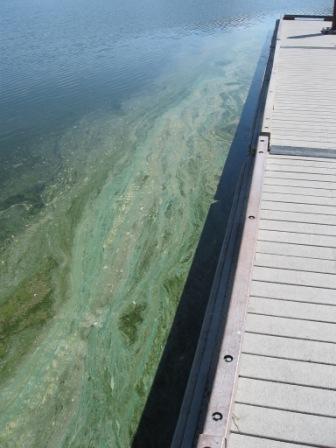
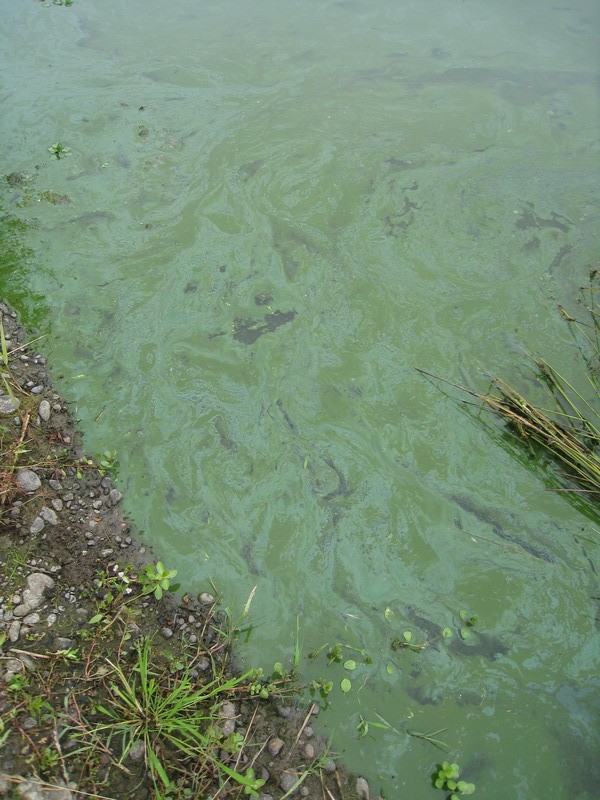
Planktonic blooms are found floating in the water. They often look like spilled paint or scum on the water's surface. These blooms look bright green or blue-green, like thick pea-green soup, or like white or brownish-red foam or scum.
-
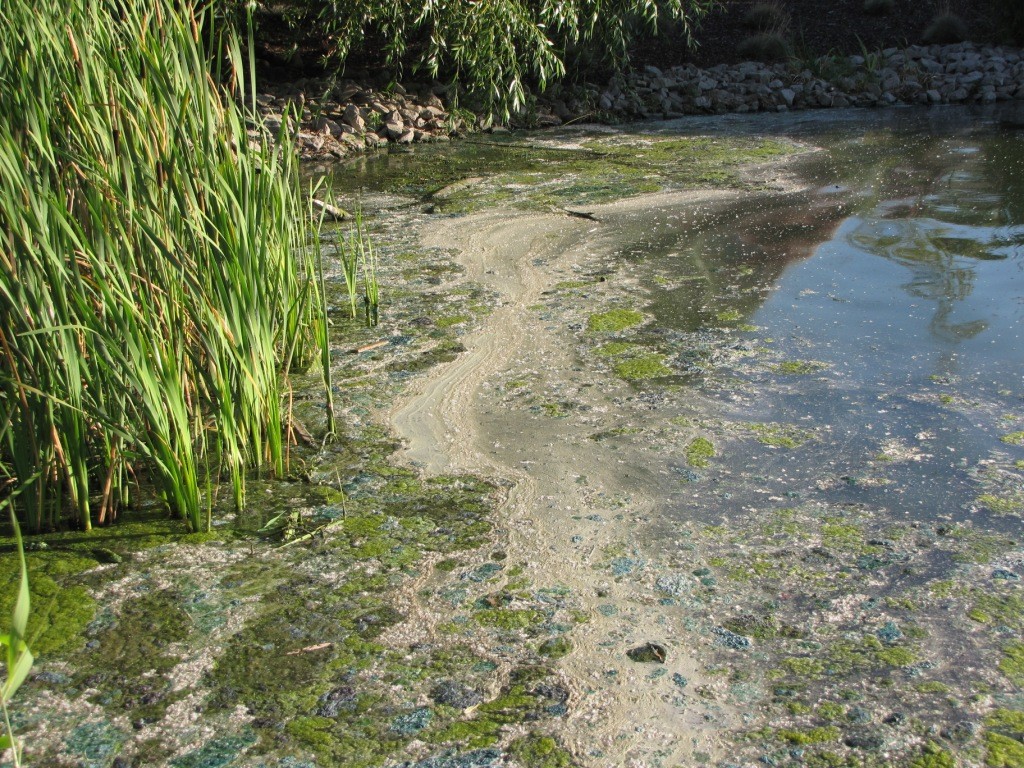
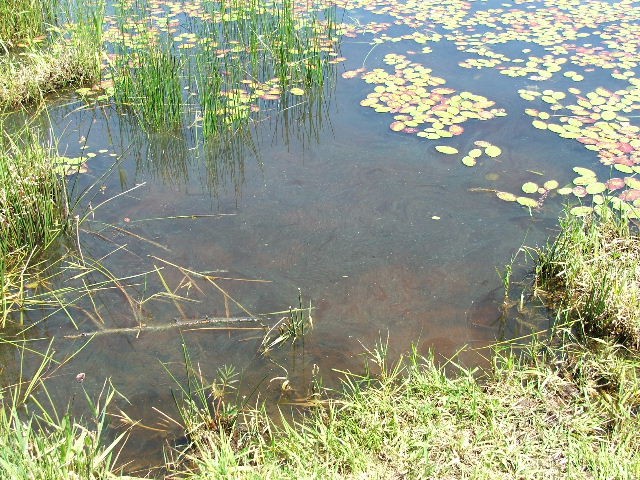
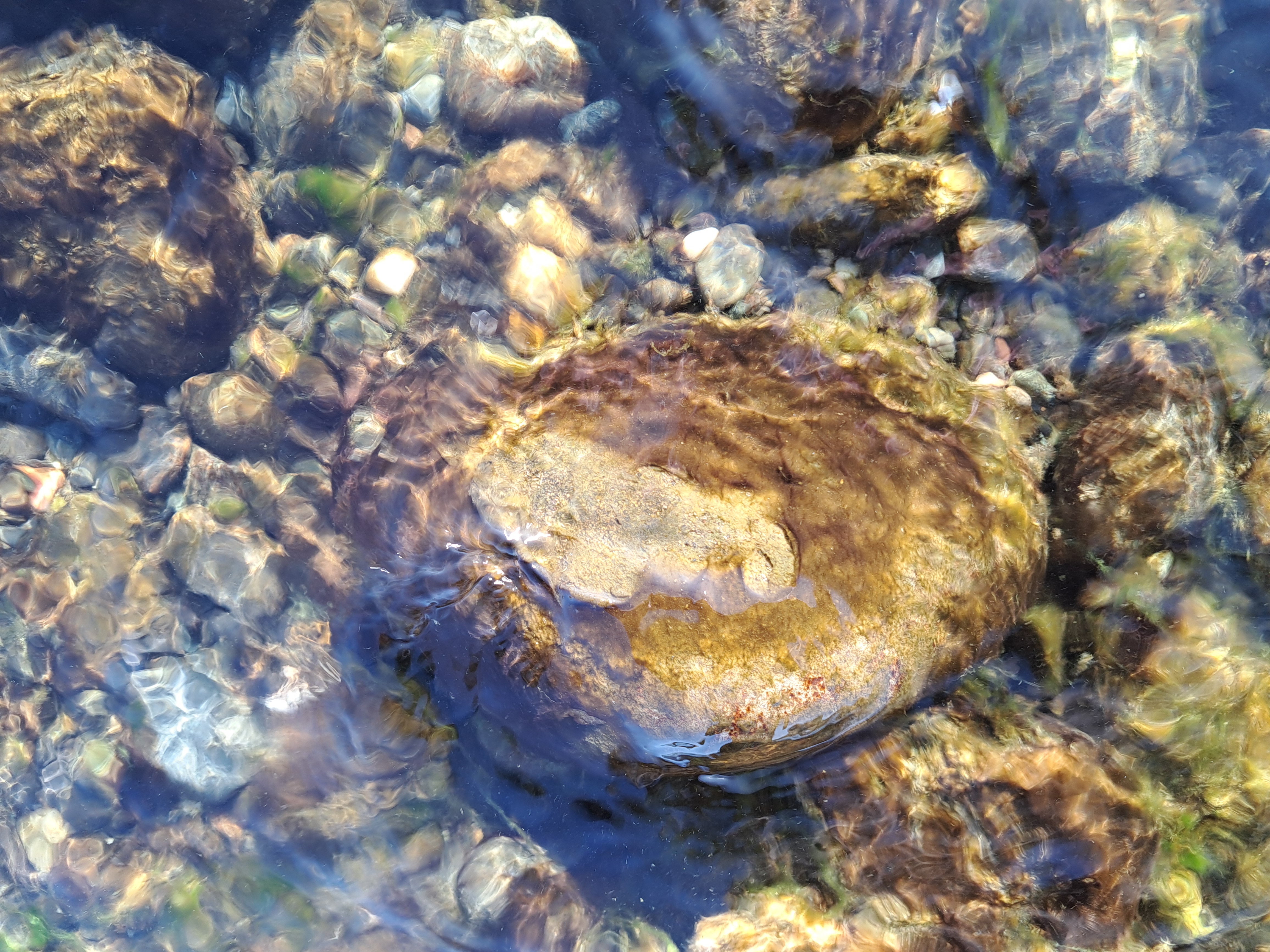
Benthic blooms are found on the bottom of lakes and rivers. They can be attached to sand, rocks, or aquatic plants. Benthic mat material can also separate and float to the surface of the water. These detached mats can build up along the shore. They can be green, blue-green, or brownish-red.
This page has examples of both types of cyanoHABs and the different ways they can look. More photos can be found on the Interstate Technology Regulatory Council's website.
Planktonic Bloom Examples
Below are photos of planktonic cyanoHABs in Oregon waterbodies.
Benthic Bloom Examples
Below are photos of benthic cyanoHABs in Oregon and Washington waterbodies.
.jpg)
Photo credit:
Benton-Franklin Health District