Cyanobacteria and Private Drinking Water Intakes
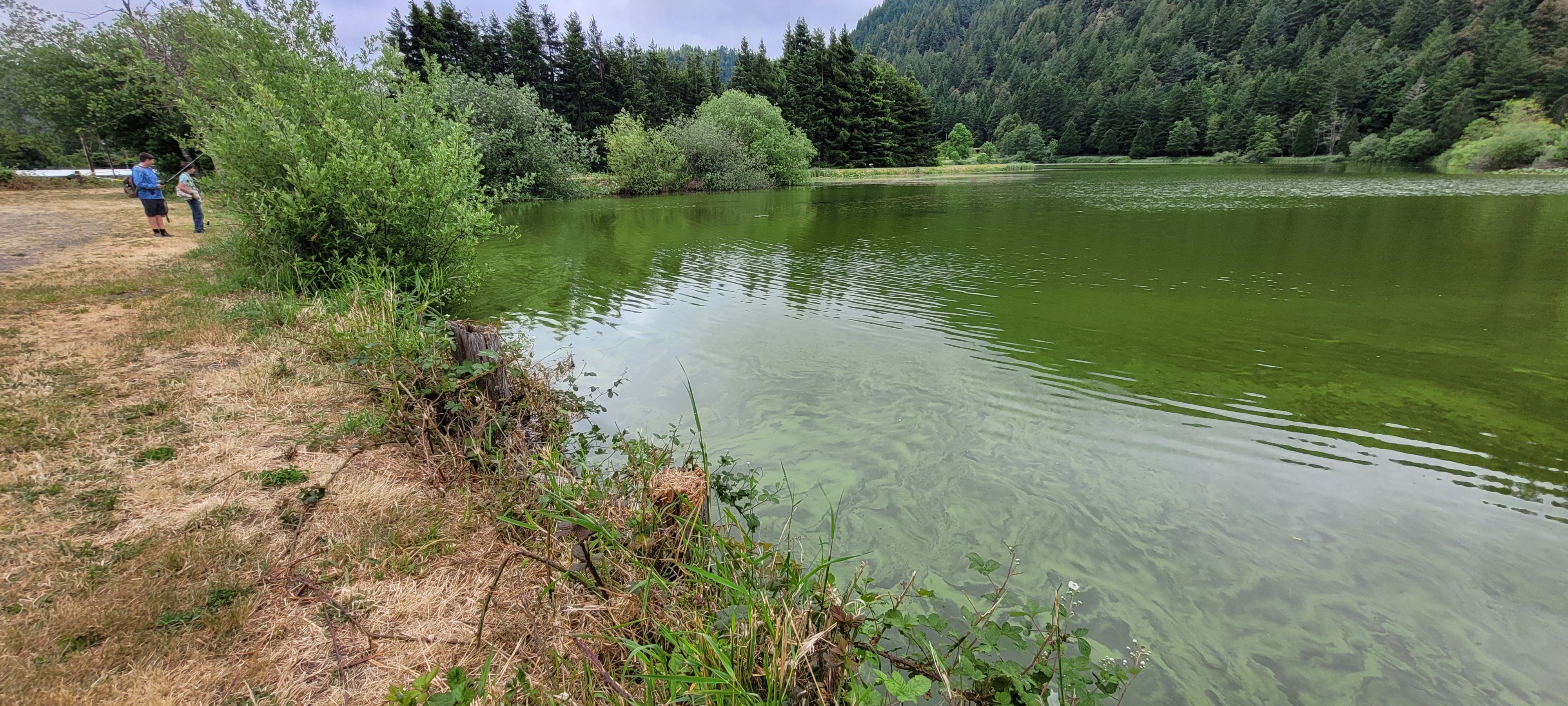
Private drinking water intakes not regulated. This means that, unlike public drinking water supply facilities, there is no requirement for owners of these intakes to test for cyanotoxins.
It isn't possible to know if these toxins are in your drinking water without testing it when a bloom is happening. This involves taking a sample of source water at an intake or water treated by an in-home system and sending it to a water testing laboratory.
For more information about testing a privately-owned lake or pond, visit our "Cyanobacteria Harmful Algae Blooms in Privately-Owned Ponds and Lakes"
webpage.
In-Home Treatment Systems
Most in-home treatment systems are not able to reduce or remove cyanotoxins. There is one exception to this, specifically for the toxin microcystin. The global public health organization
NSF International has created a microcystin test method for drinking water treatment systems (NSF protocol 477). This method can verify a water filter's ability to reduce microcystin to safe levels. If you do not have one of these certified systems, or there are other types of cyanotoxins in the water, the only way to know if it is safe to drink and cook with is to have it tested when there is a bloom near your intake.
If you are unsure whether your in-home treatment system is designed to reduce or eliminate cyanotoxins, OHA recommends you avoid drinking from household taps and use an alternative source of drinking water during a bloom.
Risk Communications Plan and Documents
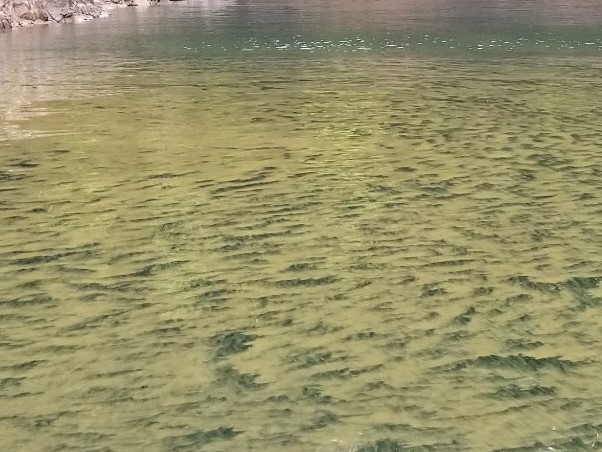
If you are a community leader wanting to inform your community about the risk of drinking water directly from a lake during a bloom, check out our Risk Communications Toolkit.