Federal officials have made misleading claims about vaccines and autism. However, decades of scientific research have proven that vaccines
do not cause autism. Learn more about autism research, including known genetic and environmental risk factors,
on the
American Academy of Pediatrics (AAP)
and Autism Foundation websites.
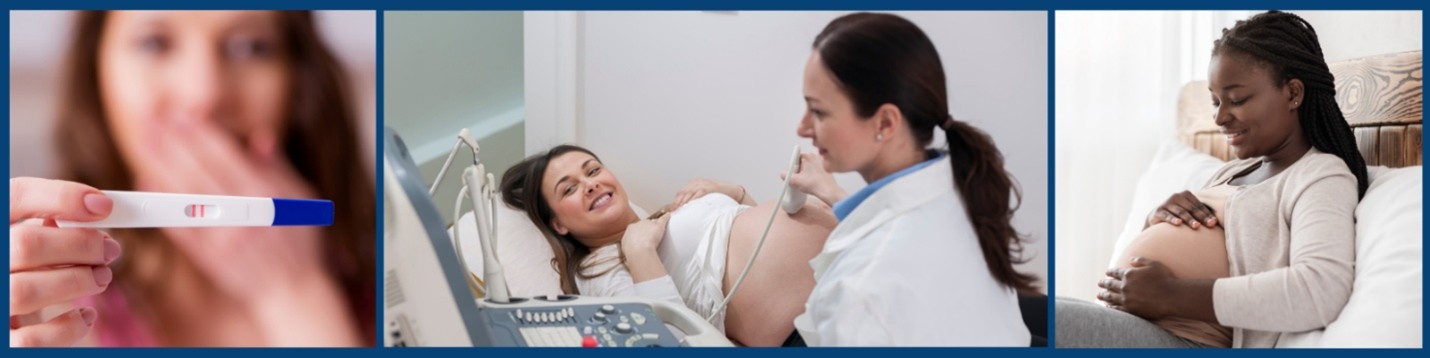
Protect your newborn, before they're born!
Newborns are especially vulnerable to diseases for which they are too young to be vaccinated. That's why it's important for all pregnant people to receive certain vaccines to protect their babies. Consider it an early birthday gift!
Additionally, if you catch the flu or COVID-19
while you are pregnant, you can become much sicker than you would otherwise. Vaccines offer you and your baby the best protection during this special time.
VACCINE SAFETY: Research shows that getting these recommended vaccines during pregnancy does not make you sick or cause pregnancy problems, birth defects or autism in children. Vaccines have been used for many years in millions of pregnancies.
NOTE: Make sure everyone who is around your baby is also up to date on their vaccines.
Vaccine and disease information
Click the items below to learn how vaccination during pregnancy can protect birth parents and newborns from certain diseases. All recommendations below are supported by the
American College of Obstetricians and Gynecologists (ACOG). Visit ACOG's pregnancy immunization recommendations to learn more, and patients can print out this chart.
Tdap vaccination is recommended between 27 and 36 weeks of each pregnancy. It protects the birth parent and baby from the following diseases:
- Pertussis (whooping cough): a highly contagious respiratory virus that poses serious risk to babies younger than 3 months old. Babies must be 2 months old before receiving their own pertussis vaccination (DTaP). Other adults routinely in the baby's life should consider getting a Tdap dose at least two weeks before the baby is born.
- Tetanus: a nervous system disease that can be extremely dangerous, and even fatal, for both mother and baby. It does not spread from person to person, but anyone who is not up to date on vaccination is at risk.
- Diphtheria: a serious bacterial infection and respiratory disease that can spread easily from person to person.
RSV (respiratory syncytial virus) is a respiratory virus and the most common cause of hospitalization for babies under 1 year old. There are two safe and effective ways to protect babies from RSV (doing both is not necessary). The birth parent can receive one dose of RSV vaccine during RSV season (if they are between 32 and 36 weeks of pregnancy), which protects the baby against RSV for their first 6 months of life. Alternatively, depending on the time of year, infants can receive a monoclonal antibody injection to protect against RSV.
NOTE: If a birth parent receives RSV vaccination during one pregnancy, they should not get it during future pregnancies and should speak to their provider about protecting their newborns with RSV monoclonal antibody treatment.
The flu can be much more serious for a pregnant person and potentially life-threatening for newborns. Vaccination is safe for parent and fetus during any stage of pregnancy and creates antibodies that are passed to a fetus, protecting the baby until they can get the flu vaccine at age 6 months.
COVID-19 vaccination is safe for parent and fetus during any stage of pregnancy. It will protect the birth parent from severe COVID-19 illness—which can complicate the pregnancy and may lead to premature birth. The vaccine will also pass antibodies to the fetus which may protect against COVID-19 until a baby can get the COVID-19 vaccine at age 6 months. A vaccinated birth parent will also pass COVID-19 antibodies to their baby through breastfeeding.
Hepatitis B (hep B) is a potentially life-threatening disease that affects the liver and is most commonly transmitted from a pregnant person to their newborn during childbirth. Pregnant people who have not been vaccinated before should get the vaccine.
- All pregnant people should be tested for hep B as part of early prenatal care. Those who test negative and have not been vaccinated should be offered the hep B vaccine. Those who test positive should be tested again during the third trimester to determine how much hep B virus is in their system. Depending on the results of this test, oral antiviral medication may be offered. Learn more about hep B testing and treatment during pregnancy on the Hepatitis B Foundation website.
- Additionally, all newborns should receive a dose of hep B vaccine within 24 hours of birth, regardless of the birth parent's hep B status.