What is AWARE
A cooperative effort working to reduce the problem of antibiotic resistance in Oregon. We provide education and resources to the general public, students, and health care professionals on how to use antibiotics in the best way.
Información en Español
What is antibiotic resistance?
Antibiotic resistance happens when bacteria change over time and the antibiotics we use to treat bacterial infections no longer work. This means these infections are harder to treat because the antibiotics become less effective or useless.
Why is this important?
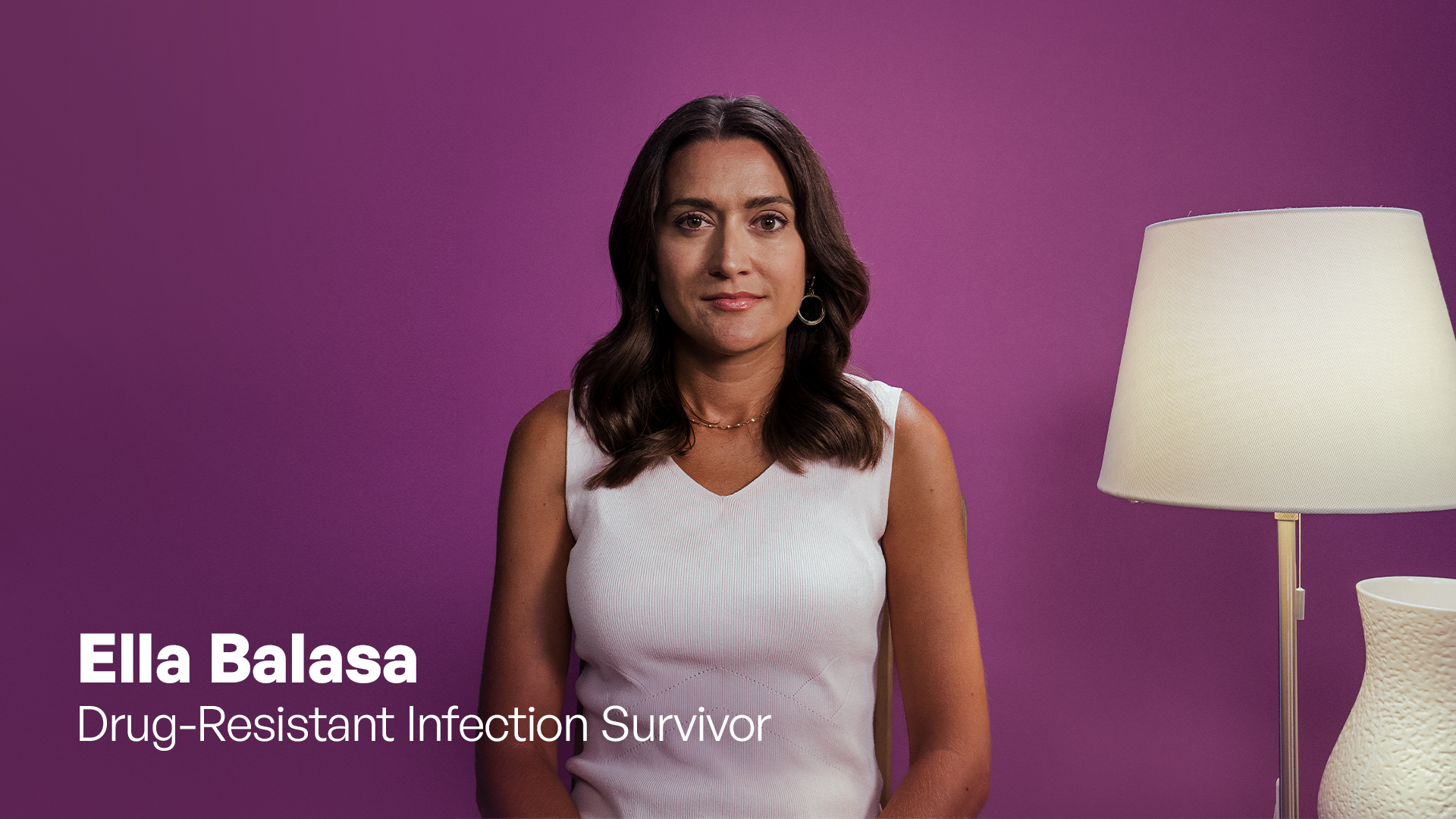
Millions of Americans, like Ella, experience drug-resistant infections that are difficult- or impossible-to-treat. Watch the video below to learn more about the impact.
Are there negative effects of taking antibiotics?
Yes, antibiotics are powerful tools used to fight infections; however, they can also cause side effects. Some of these include nausea, vomiting, diarrhea, rash, and other more serious problems. Taking unnecessary antibiotics can also lead to antibiotic resistance, meaning they may not work when you do need them.
How do I know if an infection is bacterial or viral?
It’s important to know what is causing an illness because antibiotics only work against bacteria, not viruses. Figuring out whether an infection is viral or bacterial can be hard to do on your own. Your healthcare provider can help by reviewing your symptoms and ordering tests if needed.
What can I do to help prevent antibiotic resistance?
We all have a role to play in preventing antibiotic resistance. You can help by not requesting antibiotics when your healthcare provider says they won’t help your illness. And if you are prescribed antibiotics, take them exactly as prescribed and always finish the prescription, even if you are feeling better. Everyday actions like keeping hands clean and preparing food safely can help prevent infections. Learn more at cdc.gov/antimicrobial-resistance.