
Oregon State Flag An official website of the State of Oregon »

Oregon.gov Homepage

May 2026 Education Update

Oregon Achieves... Together!

A Message from Oregon Department of Education Director Dr. Charlene Williams

ODE Director Dr. Charlene Williams 

Dear Education Community,

When you’re climbing a mountain, it’s easy to focus only on the next step and not look up until you reach the top. But it’s just as important to pause along the way, look back, and recognize the progress you’ve already made instead of worrying only about how far you still have to go.

The Accountability Journey

It hasn’t even been a year since the Education Accountability Act was passed and signed into law to create a more coherent and accountable K-12 system, one that delivers a high-quality education to every scholar in every community across our state. That started us on our journey toward becoming a top-performing state for education. Improving outcomes at this scale requires focus, discipline, and sustained effort. It requires us to stay committed to steady, meaningful progress year over year.

Clearly, the journey ahead is a long one, but let’s take a moment to reflect on some progress we’ve already made. In March, we launched Phase I of the Unified Application, marking a major milestone as we work to reduce bureaucracy so educators have more time to focus on teaching and learning. We are designing an agency-wide Regional Support Team (RST) model to support districts in a more coordinated, coherent way (these teams are organized by region and designed to strengthen ODE’s approach to technical assistance, planning, and accountability support - starting with our pilot districts). And, in a move towards increased transparency, we are aligning our internal data standards to produce data visualizations that are both meaningful and accessible.

We’ve now reached another milestone: the State Board has officially adopted Statewide Performance Growth Targets, establishing clear, measurable goals for the K-12 system to drive progress for students across Oregon. These targets set high expectations while remaining grounded in what is achievable. They are informed by research, by evidence, and by what we are already seeing in districts across Oregon.

The four-year targets are the first milestone in a longer-term vision for sustained improvement. Together with projected benchmarks at eight and 12 years, they outline a 12-year trajectory of continuous progress, reflecting the full arc of a student’s K-12 experience. This approach is designed to drive steady, year-over-year gains that lead to lasting change in student outcomes.

Common Metrics2024-25 DataAdopted
4-Year Targets
for 2029-30
Projected
8-Year Targets
for 2033-34
Projected
12-Year Targets
for 2037-38
K-2 Attendance70.7%82.0%91.0%>95%
K-12 Attendance66.5%78.3%87.7%97.2%
Grade 3 ELA40.3%52.6%62.4%72.3%
Grade 8 Math28.9%52.0%61.2%70.4%
Grade 9 On-Track86.6%94.9%>95%>95%
4-Year Graduation83.0%92.3%>95%>95%
5-Year Graduation
87.4%95.4%>95%>95%

Next up, ODE will be working with districts to co-develop Local Performance Growth Targets, a key part in establishing shared accountability. ODE is responsible for setting direction and statewide goals, while districts set local goals aligned to that direction. This is about accelerating progress in a way that is both realistic and sustainable. Together, we monitor progress, learn from what’s working, and make adjustments to accelerate improvement. The end result is a system where responsibility and success are shared.

It’s also designed to be responsive to local context, ensuring expectations are fair, and that support is targeted where it’s needed most. Equity is not just a goal in this system; it is built into how the system operates. This work is not about identifying where districts fall short, it’s about helping them improve. It’s about providing the coaching, tools, and partnership needed to drive better outcomes for students, and then learning from that progress to strengthen the system as a whole.

Recognizing Valuable Work

May is a big month for celebrations and commemorations. Of course, we have Mother’s Day to honor the important role they play in our lives. We also have Asian/Pacific American Heritage Month, Jewish American Heritage Month, Mental Health Awareness Month and more, which you can read about in the articles below. But I want to give particular attention to Public Service Recognition Week in order to thank all public employees, highlight their important work and their connections to the communities they serve.

Of special note are our teachers. This is also National Teacher Recognition Week where we express our deep gratitude for the extraordinary dedication, resilience and heart they display every day in the classroom. They do more than teach, of course. They nurture and inspire, advocate and empower, lift students up and help them understand the world around them. You have a profound impact on the future and a lasting legacy in their lives.

I also have to thank our principals and vice-principals who lead our schools and make them safe, nurturing places for learning and growth. Your invaluable leadership and commitment to student success helps turn policy into action in the classroom. The way you navigate all the decisions that need to be made on a daily basis is amazing! Thank you for making the challenge seem effortless.

And finally, our school nurses get their special day in May as well. They play a vital role in supporting the health and wellness of students, leading to improved outcomes in the classroom. Whether it’s providing direct care, managing chronic conditions, promoting mental health and school attendance, connecting families to community resources or coordinating care to break down barriers to healthcare access, school nurses are integral to the success of our students and schools.

Thank you to all who choose public service and dedicate their lives to helping their communities.

In Love and Justice,

Dr. Charlene Williams


ODE Establishes the Hòa Nguyễn Impact Awards to Celebrate Student Attendance
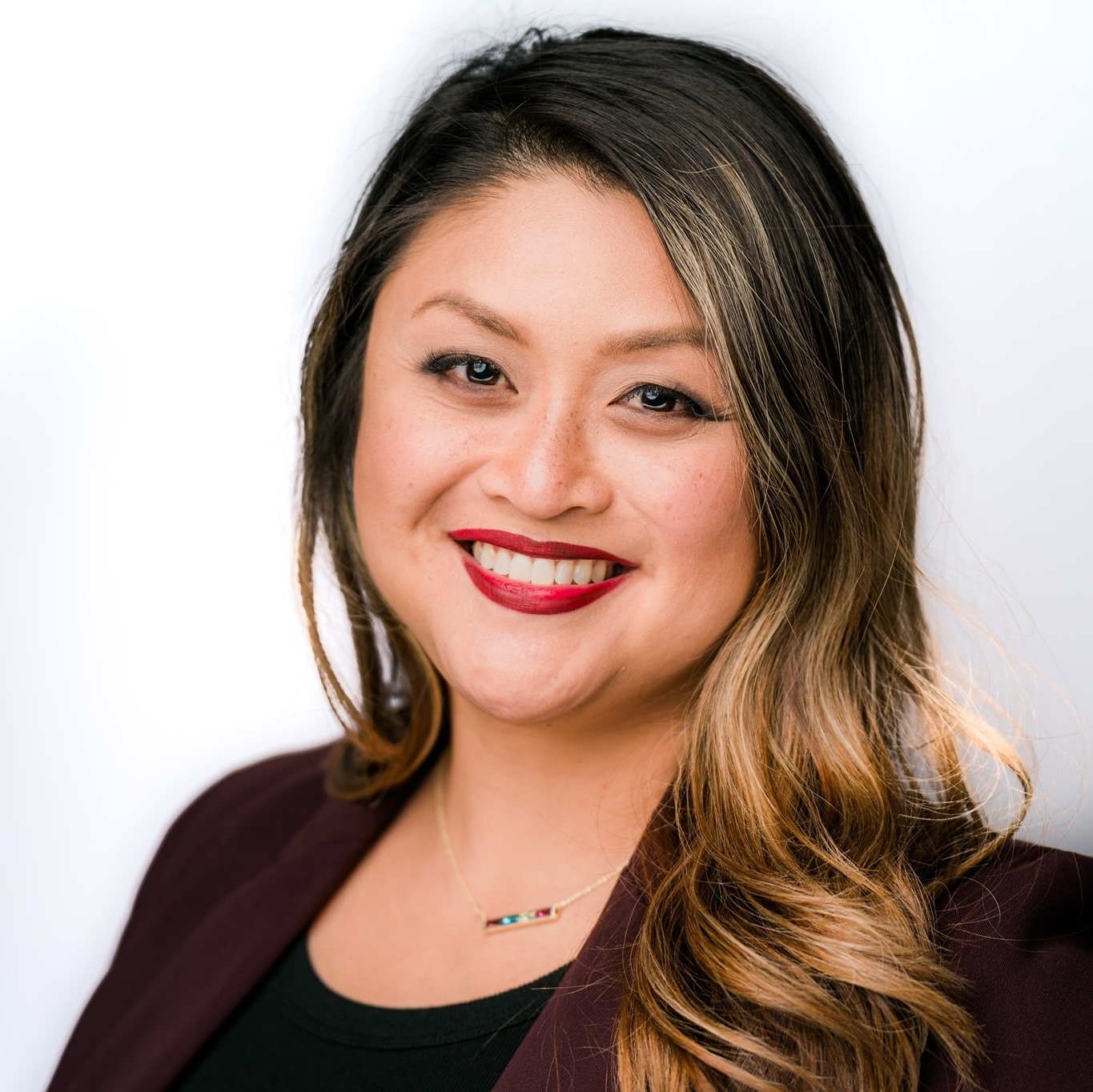
The Oregon Department of Education (ODE) is proud to announce the launch of the Hòa Nguyễn Impact Awards, established in honor of the extraordinary legacy of State Representative Hòa Nguyễn, who passed away last year. Representative Nguyễn’s life’s work centered on supporting Oregon students and strengthening the conditions that help them attend school regularly, feel connected, and thrive.

Her advocacy continues to guide statewide efforts to ensure every student is seen, supported, and present. “Representative Nguyễn’s legacy reminds us that when we invest in belonging, connection, and opportunity, students show up and succeed,” Governor Tina Kotek said. “These awards honor the educators and communities carrying that vision forward every day.”

In tribute to her commitment to improving student attendance and well-being, ODE is opening the Hòa Nguyễn Impact Awards for self-nominations. Most categories are open to any eligible public education entity in Oregon, with one category determined directly by ODE.

“On behalf of our family, we’re deeply honored to see an award created in Hòa’s name,” said Tommy Nguyễn, brother of the late Rep. Nguyễn. “She believed that every student deserves the chance to show up, feel supported, and succeed, and she understood that attendance is about so much more than being present. It’s about whether a child has what they need to thrive. This award carries forward her life’s work and her love for Oregon’s students.”

Categories include:

  • Most Improved Regular Attendance: This award will be determined and awarded by ODE. No nomination is required. It recognizes the percentage-point increase in overall regular attendance from the 2024-25 school year to the 2025-26 school year, based on ODE’s May 1 data collection.
  • Most Innovative Attendance Practice: Celebrates creative strategies that remove attendance barriers, including transportation solutions, culturally relevant engagement, wellness supports, and community partnerships.
  • Attendance Champion: Recognizes sustained, multi-year excellence in improving regular attendance. Eligible entities must demonstrate increased attendance annually for five consecutive years, beginning with the 2021-22 school year.
  • Student and Family Partnership Award: Honors collaborative models that center students, families, caregivers, and community partners as co-designers of attendance solutions.
  • Equity Impact Award: Recognizes meaningful progress toward closing gaps particularly for focal student groups in K-12 regular attendance.

Why These Awards Matter

Improving regular attendance is deeply relational work that requires partnership, creativity, and a belief in every student’s potential. The Hòa Nguyễn Impact Awards highlight the innovation, resilience, and collaboration happening across the state; efforts that are helping build a more equitable education system where every student belongs.

“Across Oregon, educators and communities are demonstrating what’s possible when we center students and families in our work,” said Dr. Charlene Williams, Director of ODE. “We look forward to celebrating the impact these efforts are yielding statewide.”

ODE encourages all eligible entities to share their stories and apply by May 22, 2026. These awards celebrate the dedication, effort, and excellence of our school communities in improving attendance. Although they carry no monetary prize, their value lies in the recognition they provide and the lasting impact they represent. Award recipients will be announced in fall 2026 and recognized for their contributions to advancing student attendance, connection, and success across Oregon.

Full information about the Hòa Nguyễn Impact Awards and eligibility requirements are available online.


An Invitation: Oregon Math Framework Engagement Sessions

The Oregon Department of Education invites district administrators, instructional coaches, and math leaders to participate in upcoming statewide engagement sessions to provide initial input on the development of a K-12 instructional framework for mathematics. This framework is intended to offer a shared, statewide vision for mathematics instruction and High-Quality Instructional Materials (HQIM) that supports local decision making while grounding the work in strong research and clear values. 

Register online for one of the Math Framework Engagement Sessions listed below. Each session begins with an overview and background for the work, followed by opportunities to provide feedback through focused breakout discussions. The same content is presented at each session, so choose the date and time that works best for your schedule:

  • May 18, 4:00 - 5:00 p.m.
  • May 19, 7:30 - 8:30 a.m.
  • May 19, 4:00 - 5:00 p.m.
  • May 21, 8:30 - 9:30 a.m.

Elevating Education-System Employee Wellness
Welcome to May’s Employee Wellness column, brought to you by ODE’s School Wellness, Inclusion Safety & Health Team (SWISH). With Spring Break behind us and summer break on the horizon, it's the home stretch. May is Mental Health Awareness Month, which started as a campaign in 1949 to reduce stigma and raise awareness of mental health conditions. This work is also known as Mental Health Literacy, through which we can align Transformative Social and Emotional Learning (TSEL), health standards, and the needs of colleagues and students by deepening our shared understanding of anxiety, depression, stress and trauma.

Improving Collective Wellbeing

For the last three months, the Oregon Wellbeing Trust and ODE have been co-facilitating an Educator Workforce Wellness Community of Practice. This month’s focus was on collective wellbeing practices. In preparing for the session, we surfaced an important insight: collective wellbeing is supported both through institutional structures and through the organic ways colleagues show care, encouragement, and joy in their daily work. Both matter.

Work appreciation styles can take many forms – gifts, time, mentorship, professional trust and policy change. Each of us needs something different to feel supported, seen and valued. The more leadership and coworkers understand what energizes us, the stronger our collective wellbeing becomes.

Why Self Advocacy Matters

Speaking up at work can feel hard, especially in education where responsibility is high, emotions run deep, and the stakes are always framed around students. For many educators, self advocacy brings stress, fear or memories of not being heard. If your body reacts before your words do, that’s not a personal flaw. It’s a sign that advocating within complex systems takes real effort. What’s often missing from the conversation is this: educator self advocacy isn’t just about adult wellbeing. It directly shapes student outcomes. When educators feel able to voice concerns, ask for resources, and challenge practices that aren’t working, classrooms function better. Teachers who feel supported and respected are more likely to stay in the profession, build strong relationships with students, and create consistent, engaging learning environments. Students benefit from educators who aren’t operating in survival mode but have the capacity to show up fully for learning, connection and care.

That’s where self efficacy comes in – not just confidence, but the belief that actions can lead to improvement. Administrators play a key role here by fostering strong professional communities, honoring educator expertise, and offering meaningful leadership and learning opportunities. When educators feel skilled, supported, and trusted, advocacy becomes less intimidating and more collaborative. At its core, self advocacy is about sustainability. When schools invest in conditions that make advocacy possible, everyone benefits. Caring for educators helps students thrive, and that connection is worth taking seriously.

Spotlight on Wellness Work

We are so excited to spotlight the work happening through Central Oregon’s Regional Educator Network (COREN), a collaboration that benefits districts through 30 different projects! COREN and the Culture of Care initiative at the High Desert ESD combine forces under student success to align resources and support for nearly 1,000 educators from Bend-La Pine Schools, Crook County SD, Culver SD, Jefferson County SD 509J, Redmond SD and Sisters SD. COREN’s program offers professional learning on many topics that support individual, collective and systemic wellbeing – such as Belonging and Dignity, Collaborative Problem Solving, Restorative Practices and Educator Wellbeing – and a wellness coaching program that focuses on feelings of overwhelm, burnout and strategies for overcoming burnout in a supportive growth-oriented space, led by Dr. Amy Yillik from Culture of Care.


Asian American and Pacific Islander Heritage Month
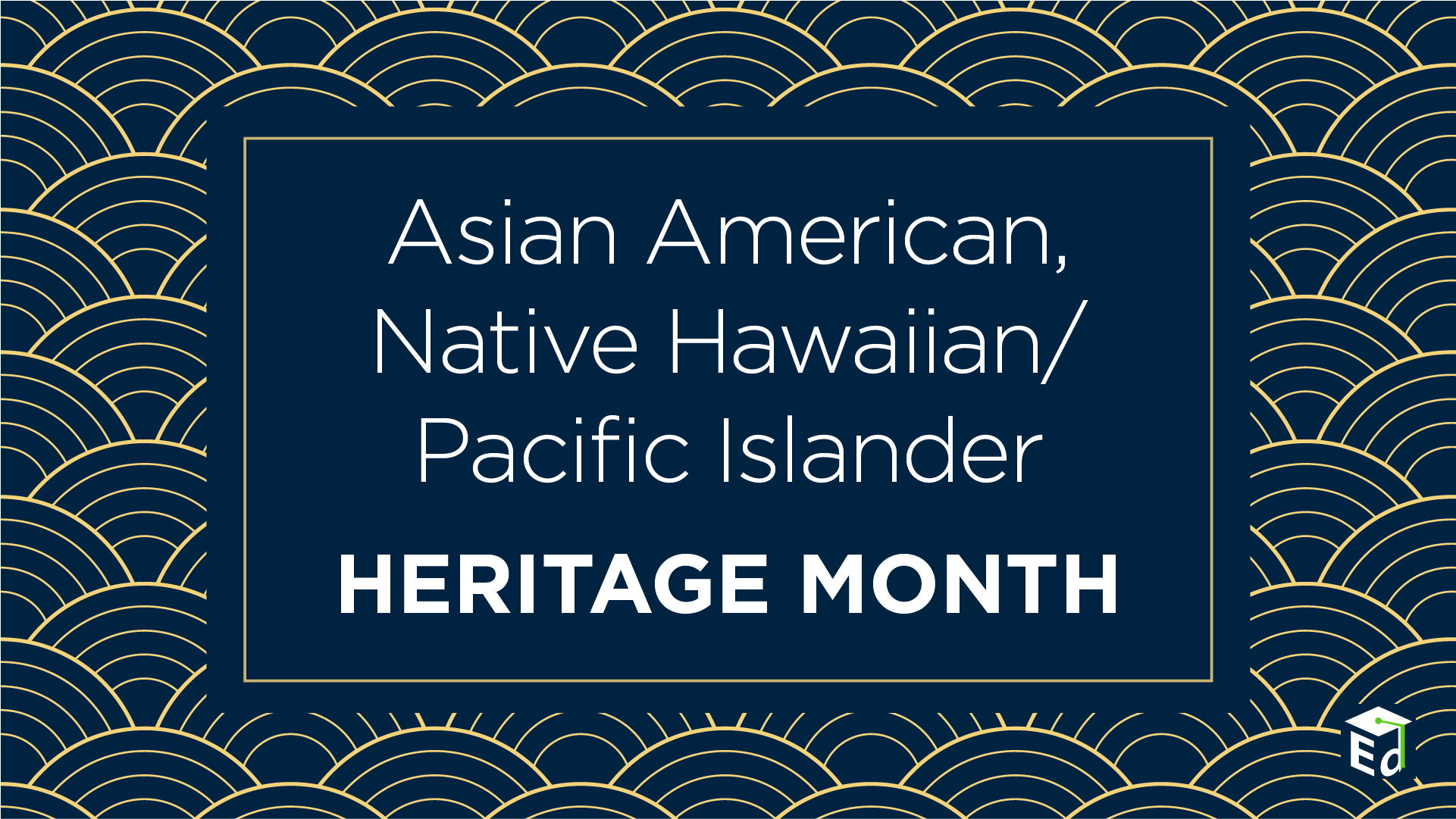
May is Asian American and Pacific Islander Heritage Month, honoring the histories, cultures, and contributions of Asian Americans and Pacific Islanders to the United States. AAPI communities represent enormous diversity across national origin, language, religion, and experience, and their stories are essential to a complete understanding of American history. Oregon educators will find strong connections to the Social Science Standards through themes of immigration, identity, civil rights, and community resilience.

Connections to the Classroom

AAPI Heritage Month connects naturally to Oregon Social Science Standards addressing immigration history, the experiences of historically underrepresented communities, and the ongoing work of building an inclusive democracy. The Japanese American Museum of Oregon's educator workshop this summer offers a deeper dive into one of the most significant civil liberties stories in American history.

Resources

Oregon/Local Events (In-Person)

  • Lan Su Chinese Garden is running AANHPI Heritage Month programming all of May. Events include Cultural Immersion Saturdays (May 10, 17, 24 & 31), each spotlighting a different AANHPI culture, and Family Fun Sundays on May 4, 18, and 25 with interactive games, crafts, and art for all ages. Also check out the Official Guide to Portland.
  • Oregon Rises Above Hate coordinates AANHPI events across Portland throughout May, including community performances and free admission days at local cultural institutions.
  • Japanese-American Museum of Oregon (Old Town, Portland) runs special programming and exhibits during Heritage Month.

Online Resources for K-12 Educators

  • The Smithsonian, Library of Congress, National Archives, and National Park Service all share AAPI resources, podcasts, and collection items. It also includes a K-12 Teacher's Guide.
  • AAPI History Hub is specifically built for educators. It includes K-5 and 6-12 planning guides showing where AAPI history fits into existing curricula, plus professional learning opportunities and tools for families.
  • Share My Lesson has a free AANHPI Heritage collection. Resources are standards-aligned and designed for social studies, ELA, and SEL integration, covering leaders in politics, science, sports, and the arts.
  • The Anti-Defamation League has a compiled a K-12 AAPI Heritage Month resource list with classroom-ready materials.

May is Military Appreciation Month
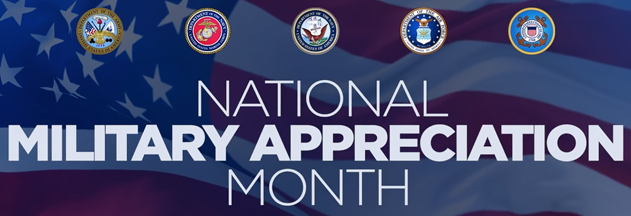
Military Appreciation Month is observed every May as a nationwide tribute to the service, sacrifice, and commitment of the U.S. Armed Forces, past and present. Throughout the month, communities, organizations, and government agencies honor active duty service members, National Guard and Reserve members, veterans, and military families for the essential role they play in protecting the nation. It’s a time to recognize their contributions, express gratitude, and strengthen the connection between civilians and the military community.

Check out these resources to learn more:


Student Opportunity: Road Safety Art Contest
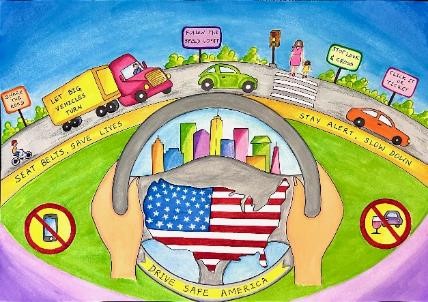
Our partners at the Oregon Department of Transportation and the U.S. Department of Transportation (USDOT) invite students to unleash their creativity and let their imagination shine by participating in the annual Road Safety Art Contest.

The Federal Motor Carrier Safety Administration (part of USDOT) is holding its annual Road Safety Art Contest, inviting K-12 students nationally to creatively depict how to stay safe on the road around large trucks and buses. Submissions can be original artwork, digital art, a photo or a video – whatever inspires the student – and winners will be awarded in four categories based on grade.

Entries are accepted through June 5, 2026. View contest rules, how to enter and more online.

Please contact fmcsa.outreach@dot.gov with any questions.


Student Spotlight


2026 Summary of Enacted Education Legislation

The Oregon Department of Education’s 2026 Legislative Summary is now available, providing the final list of bills affecting K-12 education or the agency that made it through the legislative process.

ODE’s legislative agenda concentrated on a technical change for the Military Interstate Children’s Compact. Our request, contained in House Bill 4066, allowed Oregon’s statute to fully align with the model language used by other states in the compact. This ensures that we as a state can continue to provide consistent support for military students as they relocate across state lines.

Overall, the short session focused on revenue impacts to the state’s budget and response to federal policy concerns. While the education space was largely held harmless in budgetary decisions made by the Legislature, it is anticipated to be an ongoing topic of conversation in future sessions, given constraints on state resources and financial forecasting.

As always, ODE will continue to serve as a source of information for policymakers, school districts, educators, families and the public – all in service of supporting our Oregon scholars.


New Report Shows 76% Increase in Early Learning Access for Young Children with Disabilities in Oregon

The Oregon Department of Education (ODE) and the Department of Early Learning and Care (DELC) report major progress in the fifth year of the Oregon Early Childhood Inclusion (OECI) Initiative, highlighting statewide improvements in access to inclusive early learning environments, strengthened cross agency collaboration, and expanded supports for families, educators, and communities.

According to the newly released 2026 Oregon OECI Initiative Impact Report, Oregon is serving more young children with disabilities in classrooms within their community through inclusive models for early childhood special education than ever before. The number of children receiving these services has grown for the fourth consecutive year, with nearly 2,111 more children served in the 2024-25 school year than in 2020-21—a 76% increase.

“At its core, this initiative is about belonging—because every child deserves to learn, play, and grow alongside their peers with the individualized support they need to thrive,” said Dr. Charlene Williams, ODE Director. “Oregon is showing that when we invest in relationships, inclusive environments, and coordinated systems, children, families, and educators all benefit. This report affirms that progress, and it also calls us forward, reminding us that inclusion is not a destination but a commitment we renew every year.”

“This progress reflects the dedication of our agencies and our partners across Oregon to help hundreds more children with disabilities receive the early learning support they need to thrive,” said Alyssa Chatterjee, DELC Director. Key Findings from the 2026 OECI Impact Report

Key achievements and findings from the 2026 impact report include:

  • Access to inclusive early learning environments for children with disabilities increased from 38% in 2020 to 56.6% in 2025, marking four consecutive years of growth.
  • Eight Community-Wide Implementation Teams across 19 counties are advancing local collaboration and inclusion efforts.
  • Demand for training in the Pyramid Model* and inclusive practices remains strong across early learning, child care, and education sectors.
  • Families and community systems are strengthening partnerships to better support student success.
  • Collective action at the community and state levels through combined efforts like Every Child Belongs and Oregon Early Childhood Inclusion are helping address systemic barriers to inclusion for young learners across the state.

*The Pyramid Model is a holistic prevention framework supporting the development of social-emotional learning within early learning contexts including home, child care, preschool and early elementary classrooms. 

New Family Resource Released

This year’s report is accompanied by another milestone: FACT Oregon has released the Inclusive Education Toolkit (Every Child Belongs) – a comprehensive, accessible resource designed to help families navigate early intervention, early childhood special education, and inclusive early learning settings.

The toolkit (available in English and Spanish) provides families with:

  • Clear guidance on family rights
  • Practical strategies for partnering with educators
  • Accessible information to support early learning decisions

Its release underscores a shared commitment to ensuring families are informed, empowered, and central to inclusive education efforts.

Launched in 2020, OECI is Oregon’s coordinated, statewide effort to ensure that all young children—including those with disabilities and special health needs—can learn, play, and thrive in high quality, inclusive early learning settings. Grounded in the Pyramid Model Framework and National Indicators of High Quality Inclusion, the initiative brings together state leaders, early learning programs, local communities, and families to build equitable systems of support.

The release of the 2026 OECI Impact Report comes at a pivotal time as Oregon prepares for historic policy changes, works to advance outcomes for students in reading, considers universal childcare and preschool, and deepens statewide commitments to equity and belonging. The report provides data and insights to help leaders, educators, and families guide decisions in the years ahead.


Jewish American Heritage Month

May is Jewish American Heritage Month, a time to recognize the rich history, culture, and contributions of Jewish Americans to the social, cultural, and civic life of the United States. Jewish Americans have shaped American literature, science, law, civil rights, and public service in ways that remain underrepresented in most standard curricula. Teaching Jewish American history offers students a meaningful opportunity to explore themes of immigration, identity, religious freedom, and the American promise of pluralism.

Connections to the Classroom

Jewish American Heritage Month connects to multiple Oregon Social Science Standards across grade levels. For younger students, it offers entry points into community, identity, and cultural contributions. For older students, it opens inquiry into U.S. immigration history, the experience of historically marginalized communities, and the ongoing tension between assimilation and cultural identity. Essential Disciplinary Practice V and the Civics concept – Identity, Roles and Responsibilities (C.IR) – support exploration of how identity shapes civic participation and belonging in a pluralistic democracy.

Resources

Online Resources for K-12 Educators

  • Jewishamericanheritage.org is the official national hub, run by the Weitzman National Museum of American Jewish History. It includes lesson plans and professional learning opportunities searchable by subject, theme, and grade level. There's also a dedicated educator toolkit.
  • Jewishheritagemonth.gov is the federal counterpart. The Library of Congress, National Archives, National Endowment for the Humanities, National Gallery of Art, National Park Service, and U.S. Holocaust Memorial Museum all contribute resources through this portal.
  • The Anti-Defamation League has a JAHM-specific resource collection. It includes lesson plans, videos, an educator Q&A guide, and a recommended book list for elementary and middle school covering Jewish culture and antisemitism.
  • Institute for Curriculum Services offers virtual trainings, mini-lessons, and a video on Jewish American identity, history, and experience, all available through a special JAHM webpage. ICS is hosting a virtual workshop on multiple dates: May 6, May 13, and May 20, 2026. Earn a $50 Amazon gift card upon completion.
  • The Center for Jewish-Inclusive Learning, recently launched by the Jewish Education Project, is a digital portal housing JAHM curricula from multiple content providers so educators have a centralized place to find materials about Jewish history, people, and identity.
  • Prizmah provides resources on Antisemitism for Schools and Students, curated to support school professionals address and teach about modern antisemitism.
  • Videos, articles and additional classroom resources on Jewish Americans are available from UnPacked for Educators.

Mental Health Awareness Month

May is National Mental Health Awareness Month! Positive mental health supports are crucial for building safe, welcoming school communities where all students, families, and staff can thrive. To understand what we mean when we say mental health, we recommend learning more about Mental Health Literacy to familiarize yourself with mental health terms, diagnoses, understanding stigma, and more.

ODE has many resources you can use to promote belonging, wellness, and wellbeing in your school community. You can find resources on the ODE website sorted specifically for students (Youth Resources), families (Family Resources), educators/school staff (Educator Resources), and administrators, school counselors, and other mental health professionals (Mental Health Professionals Resources). School staff can promote these resources at all-staff meetings, or review them with PE/Health teachers and school counselors, to determine how to bring youth resources into school days or instruction. We encourage schools to consider a Mental Health Month message to promote mental health awareness for all in the community.

To go more in-depth on how your school community can address mental health concerns, we offer these tools for your systems-thinkers. The Student Sense of Belonging in Schools: Predictive Factors focuses on student responses to the Student Educational Equity Development Survey as it pertains to their sense of belonging. The Integrated Data Analysis Toolkit can help bring together results from all of your school surveys to further define root causes of school climate issues affecting mental health. You can couple this learning with the School Health Assessment and Performance Evaluation system, which contains free and low-cost tools for schools improving mental health. Additionally, the Community Care Implementation Blueprint is a resource developed by ODE for strengthening school mental health systems by optimizing local resources and bringing together neighboring partners. For questions on implementation of the blueprint, reach out to us at our ODE mental health email address to learn more.

Suicide prevention, intervention, and postvention efforts can also strengthen mental health awareness in your community, and we encourage administrators to take time to review your district’s Adi’s Act Plan. Encourage staff to review the plan as well so they know how to respond if they are concerned about a student’s safety. Suicide prevention efforts can also include introducing or re emphasizing strategies for building safe, inclusive environments where students feel they belong. Encouraging students to seek help is essential: please remind your community that support is available through YouthLine and the 988 Suicide & Crisis Lifeline.

The environments of belonging and safety that schools create are protective for many other student mental health concerns, including substance use. Districts can use this time to review and update their Substance Use Prevention and Intervention Plans and look for opportunities to align upstream prevention efforts. Mental health promotion is substance use prevention, and it is important at every age. Share messages with families and students that focus on building trusting relationships, managing stress, and keeping each other safe.

Thank you for all that you do each day to ensure that Oregon’s schools are places of belonging, connection and wellbeing for students and staff.

Additional resources for continued learning:


Wildfire Awareness Month

Wildfires are an ever-present threat during Oregon’s summer months, and they can move through a community with little warning. Now is the time to prepare and make sure you know how to stay safe if a wildfire threatens your area.

A key first step is signing up for emergency alerts. Visit oralert.gov to sign up to receive emergency alerts for your area and review what each evacuation level means (also available in Russian, Spanish and Vietnamese on the Wildfire Oregon page). Everyone should understand that:

  • Level 1 means prepare to evacuate
  • Level 2 means be ready to leave at a moment’s notice
  • Level 3 means evacuate immediately

It’s also helpful to bookmark the Wildfire Oregon evacuation page to track fires in nearby areas that may affect air quality or even spread closer to your own community.

Check out these additional resources on preventing and preparing for wildfires:


ODE In the News