 ODOE provides technical expertise for statewide fuel programs and participates in strategic planning for the adoption of alternative fuel programs.
Oregon imports all of its petroleum, which leaves the state vulnerable to changes in pricing and disruptions in the event of a natural disaster or fuel shortage.Alternative fuels produced in-state can help reduce those effects.
Alternative fuels also typically produce fewer greenhouse gas emissions than traditional petroleum-based fuels. Technology is improving and the
market is responding, so more consumers are choosing alternative fuel and
renewable fuel vehicles.
Alternative fuels include:
ODOE provides
assistance to vehicle fleet managers who want to expand their use of alternative fuels.
Transit and School Bus Electrification
A collaboration between ODOE, ODOT, and DEQ created cost comparison tools and guidebooks to help Oregon organizations electrify their transit and school bus fleets.
Visit ODOT for more
Transit Fleet Electrification information.
Renewable Natural Gas in Oregon
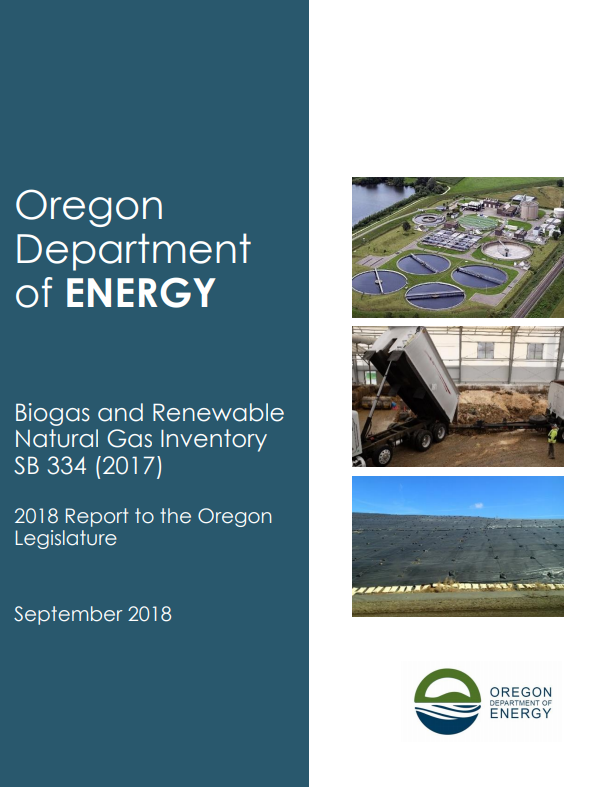
In 2017, the Oregon Legislature directed ODOE to conduct an inventory of potential biogas and renewable natural gas production, feedstock or resource quantities and locations, and supply chain infrastructure. RNG is a lower carbon fuel produced using methane from long-term waste streams like wastewater, agricultural manure, landfill waste, food waste, and residual material from forest and agricultural harvests.
ODOE published its report in 2018. We found that depending on the method used to produce the RNG, Oregon could have enough resources to replace 10 to 20 percent of the state's total yearly use of natural gas, the bulk of which is currently imported from other states.