
Oregon State Flag An official website of the State of Oregon »

Oregon.gov Homepage

March 2026 Education Update

Oregon Achieves... Together!

A Message from Oregon Department of Education Director Dr. Charlene Williams

ODE Director Dr. Charlene Williams 

Dear Education Community,

With the arrival of spring, we’re invited to notice how the natural world grows with patience and purpose—deepening its foundations, gathering light, and preparing for renewal long before blossoms appear.

As an education community, we have an opportunity to mirror that steadiness - to lead with balance amidst urgency, to hold onto optimism when challenges arise, and to invest in transformative systems that will provide the grounded support students, families, and educators deserve.

It has been almost exactly one year since the Oregon Senate Education Committee held its first public hearing on Senate Bill 141, the Education Accountability Act. After several additional meetings and some amendments, the bill was passed and signed into law by Governor Kotek in June 2025. At that point, SB 141 was just words on paper. Our job as an agency was to then put those words into action.

To do this, ODE is focusing on three key areas that will transform the educational ecosystem in Oregon:

  1. Reducing Bureaucracy to Improve Student Outcomes
  2. Expanding and Strengthening Support to Districts
  3. Improving Public Transparency

The Latest Milestone

At its February meeting, the State Board approved new requirements related to interim tests in math and English language arts for grades K-8. Many of these practices are already familiar to districts and charter schools across Oregon, which positions educators well for implementation. The State Board finalized the adoption of the approved list of interim tests districts and public charters can choose from:

  • iReady (Curriculum Associates)
  • MAP (Houghton Mifflin Harcourt)
  • Smarter Balanced (delivered via Cambium)
  • Star (Renaissance)

This spring, ODE will work with district partners to support thoughtful implementation. This includes developing guidance that will support districts in effectively implementing interim tests. As part of this work, ODE will convene a work group of partners representing multiple perspectives from different roles, regions, and lived experiences to inform the guidance.

Coming Next

An upcoming State Board meeting will feature a discussion and possible adoption of Statewide Performance Growth Targets across key student outcomes, another requirement of SB 141. These will serve as the benchmarks that define meaningful progress.

After state board adoption of the statewide performance growth targets, districts and ODE will begin co-development of local performance growth targets. These will be developed jointly by ODE and districts and tailored more specifically to individual district needs, strengths and growth opportunities. These local targets will be set in advance of the 2026-27 academic year.

Celebrating Women’s History Month

It’s always a good time to honor the women whose persistence opened doors and cleared pathways for those who followed, but March offers a special moment for reflection and renewal as we celebrate Women’s History Month.

As a former math teacher, I’m especially inspired by women in STEM who’ve changed the course of their fields. Jane Goodall deepened our understanding of the natural world, Rachel Carson renewed national awareness of environmental stewardship, and Bessie Coleman broke racial and gender barriers in aviation that once seemed immovable. I’m proud that each of these trailblazers is honored here in Oregon through schools and programs that carry their names—ensuring their legacies continue to inspire new generations.

Take a Break!

Finally, March brings with it Spring Break for most districts in Oregon. I encourage each of you to take this opportunity to rest, refresh and recharge for that final push to the end of the school year.

In Love and Justice,

Dr. Charlene Williams


March is Women’s History Month

Since 1987, Women’s History Month has been a celebration of women’s contributions to history, culture and society. The National Women’s History Alliance (NWHA), which led the movement to declare March as National Women’s History Month, has announced the theme for 2026 is Leading the Change: Women Shaping a Sustainable Future. According to the NWHA, “Whether developing green technologies, advancing economic justice, strengthening education systems or building civic power, women are designing blueprints for sustainable transformation. This theme affirms that shaping a sustainable future means fostering systems that support both people and the planet.”

Please explore these Women’s History resources:

K–5 Resources

  • National Women's History Alliance: The official organization that coordinates Women's History Month offers educator resources including lesson plans, book lists, and classroom activities designed for younger learners. They also announce each year's official theme.
  • Smithsonian Learning Lab – Women's History: The Smithsonian has curated K–5 collections featuring primary sources, images, and interactive activities tied to notable women in American history. Teachers can access and remix collections for free.
  • ReadWriteThink (ILA/NCTE) – Women's History Month: Offers literacy-based lesson plans and activities appropriate for elementary students, connecting children's literature about women to reading and writing standards.

6–12 Resources

  • Library of Congress – Women's History Teaching Resources: The LOC provides primary source sets, lesson plans, and document-based activities highlighting women's contributions across U.S. history. Particularly strong for middle and high school research projects.
  • Facing History: Invites educators to check out five classroom resources that offer a look at women making history in various contexts and/or contemporary experiences and contributions within various domains.
  • PBS LearningMedia – Women's History (also K-5): Features documentary clips, primary sources, and standards-aligned lesson plans for middle and high school students covering figures like Susan B. Anthony, Harriet Tubman, Ruth Bader Ginsburg, and many others.
  • Oregon Historical Society: Offers educational resources related to women’s history. Materials include curricula, units, lessons, and other resources that are sorted by grade level and resource type. Some resources may relate to more than one theme.

March 31 is Transgender Day of Visibility

As we reflect on International Transgender Day of Visibility on March 31, ODE honors the love and joy that so many Oregon education leaders and learners are showing transgender and gender expansive youth, educators, parents and neighbors every day. When hostility is increased, visibility for transgender community members becomes less safe and more tenuous, a feeling many of our communities are all too aware of right now.

This 2026 Legislative Report outlines how the LGBTQ2SIA+ Student Success grantees continue to bring the ideas of the LGBTQ2SIA+ Student Success Plan to life. A new section of this report highlights four possibility models:

  • Suicide prevention and mental health
  • Better Together regional ESD model
  • Culturally sustaining programming
  • Rural visibility and support (composites of multiple grantees work across rural and urban regions of the state)

These models lay a roadmap for community partners to replicate and adapt to fit their community needs. This report reminds each of us that while this work can be hard, implementing gender-affirming strategies is possible and it is life-saving. We must move through uncertainty to make safe learning spaces a reality for every learner. You are not alone.

Please reach out to LGBTQ2SIA.success@ode.oregon.gov with any questions or support needs.


March 2026 Educator Wellness Column

ODE’s School Wellness, Inclusion Safety & Health Unit brings you this month’s Wellness column about mindfulness, amazing work happening in North Coast ESD, and data about educator belonging from Oregon’s Elevating Voices in Education (EVE) workforce survey.

Mindfulness is a tool that can be used when you feel like you are crashing through the waves of everyday life, feeling overwhelmed and stressed. It’s the awareness that arises from intentionally paying attention. When practicing mindfulness, you shift: you are focused on the present, the now. The way the floor feels under your feet, the distant sound of traffic, birds or the wild symphony of students in the hallway. This form of mindfulness practice is called open awareness and requires only that you notice things like thoughts, sounds, scents, and feelings as they come and go.

Focused attention is another type of mindfulness practice that uses a single point of focus like a chime or an inhale through the nose. When we pair intention with breath, it sends signals to our brain and body to slow down. It can be helpful if we’ve ignored signals from our bodies because there isn’t time for a break.

If you are curious to learn more, you can practice on your own, with others (a staff meeting?!) or use one of the mindfulness apps available through your phone (apps like CALM and Headspace are free). You may also enjoy “Just Breathe” from Mindful Schools, which offers insights from children and a tiny bit of brain science.

ESD Spotlight

North Central Education Service District (NCESD) in Condon is working hard to provide diverse opportunities for staff to engage in wellness and community building. NCESD hosts a monthly book group to study and discuss the book Teach from Your Best Self, which explores strategies to help educators thrive in their classrooms, bring out the best in their students and build connection. Author Jay Schroder will be joining this month’s book study to facilitate a discussion on how to embed emotional resilience tools into the workday.

NCESD is also partnering with the Columbia Regional Educator Network, Oregon Well-Being Trust and community partners to host an upcoming well-being summit for ESD and component district staff to connect and explore personal and professional well-being resources. Utilizing funds from the Community Event Support benefit from Oregon Well-Being Trust, NCESD offered massages at their Summer Learning Institute to help educators decompress and ground themselves to be ready for professional learning.

Oregon’s Education Workforce Sense of Belonging

Committed and supported staff are a key priority for student success. Central to this priority is a sense of belonging, or the experience of feeling welcomed, valued, cared for and respected at work. Belonging is a fundamental human need and motivation, and has a significant impact on our health and well-being (Allen et al., 2021; Baumeister et al., 1995). Within a workplace setting, it also plays a role in job satisfaction, management of workplace stress and staff retention (Skaalvik & Skaalvik, 2011).

To elevate and understand the voices and experiences of Oregon’s educators so that we can prioritize their needs and allocate resources most effectively, ODE administers the Elevating Voices in Education (EVE) Workforce Survey. It collects the workplace experiences and perceptions of Oregon’s public K-12 education workforce (i.e., part-time, full-time, and contract licensed and classified employees). The 2025 Pilot EVE Workforce Survey included six items looking at sense of belonging.

At least 75% of participants found each of the belonging items to be mostly or very true, suggesting that a large majority of respondents had a high sense of belonging at work. While this is promising and worthy of celebration, we acknowledge there are opportunities for improvement across Oregon, given that 17-25% of participants had a low to moderate sense of belonging.

ODE intends to further explore how sense of belonging varies within and across Oregon, and how it connects to job satisfaction, workplace stress, staff retention and other relevant outcomes. We added three new “sense of belonging” items to the 2026 EVE Workforce Survey, including an open-ended item asking participants to share what fosters their sense of belonging at work.

The 2026 EVE Workplace Survey closes March 31. We encourage all members of Oregon’s public K-12 education workforce to participate and share their voice, experience and story. For questions or more information about the EVE Workforce Survey, please contact: ODE.edstaffsurvey@ode.oregon.gov.


March is Developmental Disabilities Awareness Month

Each March, we join partners across the country to celebrate Developmental Disabilities (DD) Awareness Month. This annual campaign highlights how people with and without disabilities come together to form strong, inclusive, and diverse communities.

The initiative encourages everyone to recognize both the achievements and ongoing challenges experienced by individuals with developmental disabilities. It serves as a reminder of the importance of accessibility, inclusion, and equal opportunity in all areas of community life — from education and employment to recreation and civic engagement.

To learn more about the campaign and access helpful resources, visit:

This year, the Oregon Council on Developmental Disabilities (OCCDD) has selected a theme to be: “Nothing About Us Without Us.” You can find more information here at OCCDD.

Let’s use this March - and every day - to continue raising awareness, breaking down barriers and celebrating the contributions of people with developmental disabilities in our communities!


March is Brain Injury Awareness Month
Brain Injury Awareness Month is a time to elevate understanding of concussion and other brain injuries and to reaffirm our shared commitment to student health, safety and academic success. A timely, coordinated response to a concussion or other brain injury is critical to protecting student well-being and supporting recovery. Oregon uses a symptom-based return-to-school approach, ensuring that academic adjustments and physical activity decisions are flexible, individualized and responsive to each student’s needs throughout recovery.

In alignment with Oregon House Bill 3007 (2025) and OAR 581-021-3007, upon receiving written notification that a student has been diagnosed with a concussion or other brain injury, public education providers must:

  • Ensure access to a Brain Injury Management Team
  • Use the Oregon Department of Education’s Brain Injury Procedures and Immediate Temporary Accommodations Plan (ITAP).
  • Immediately implement physical activity restrictions as determined by the team and put the ITAP in place within 10 school days of receiving written medical documentation.

ODE’s updated Return to School after a Concussion or Other Brain Injury webpage serves as the central hub for requirements, guidance and implementation tools. Newly available optional resources include the ITAP Checklist and the Gradual Return to Physical Activity Tool, designed to help districts operationalize state requirements and promote consistent practice.

We encourage districts to review these resources and share them with administrators, school nurses, counselors, coaches, and educators to ensure alignment and preparedness. Thank you for your continued leadership in supporting student health, safety and academic success.


Student Survey on New Cell Phone and Personal Electronic Device Policies

ODE partnered with the Youth Advisory Council to design a survey that invites youth voices to weigh in and share their thoughts on cell phone and personal electronic device policies. Student input will help identify what’s working, where support is needed, and how implementation can improve next year.

The brief, anonymous survey is for students in grades 6-12 and takes under 15 minutes to complete. Schools are encouraged to schedule time during a common class period to support strong participation during the March 16 - April 8 survey window. Students who miss the in-class opportunity may complete the survey independently while it remains open.

Statewide participation will help ensure student perspectives inform ongoing guidance and support. Resources including slides, talking points, and communication templates are available to help schools administer the survey consistently and efficiently.

Access toolkit materials on the ODE website.


OSD Mathletes Add It Up to Nationals!
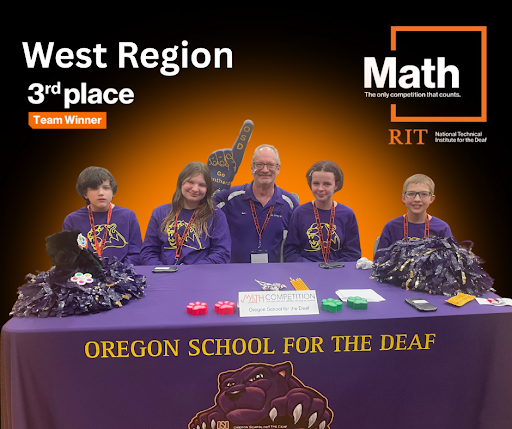
Photo: OSD’s Middle School Math Competition Team.
L to R: Sage (8th Grade), Danika (6th Grade), Coach Kris Hurst, Aiyana (6th Grade), and Travis (6th Grade).

The Middle School Math Team at the Oregon School for the Deaf (OSD) proves that hard work really counts! OSD Mathletes earned 3rd place overall at the National Technical Institute for the Deaf (NTID) National Math Competition – West Region, earning them an all-expenses-paid trip to Nationals later this month at the Rochester (N.Y.) Institute of Technology.

Led by OSD Middle School math teacher Kris Hurst, the team includes Sage (8th grade), Danika (6th grade), Aiyana (6th grade), and Travis (6th grade). The Mathletes tackled challenges across algebra, geometry, statistics and number sense, showing strong teamwork and problem-solving skills. Special congratulations to Sage for placing 3rd in the individual competition out of nearly 50 Mathletes!

While Coach Hurst beamed with pride, Sage shared her feelings, “I didn’t expect to place third for both the team and the individual competition! I’m really excited to go to Nationals in New York.”

For Travis, this competition marked a brand-new experience. “This is my first time being on the math team and competing, and I’m really happy!”

With Nationals only a few weeks away, the OSD Mathletes are ready to keep sharpening their skills. The equation is clear: OSD students are adding up to excellence and proudly representing Oregon on the national stage!

Photo: Oregon School for the Deaf’s Middle School Math Competition Team. L to R: Sage (8th Grade), Danika (6th Grade), Coach Kris Hurst, Aiyana (6th Grade), and Travis (6th Grade).


Youth Leadership Opportunities
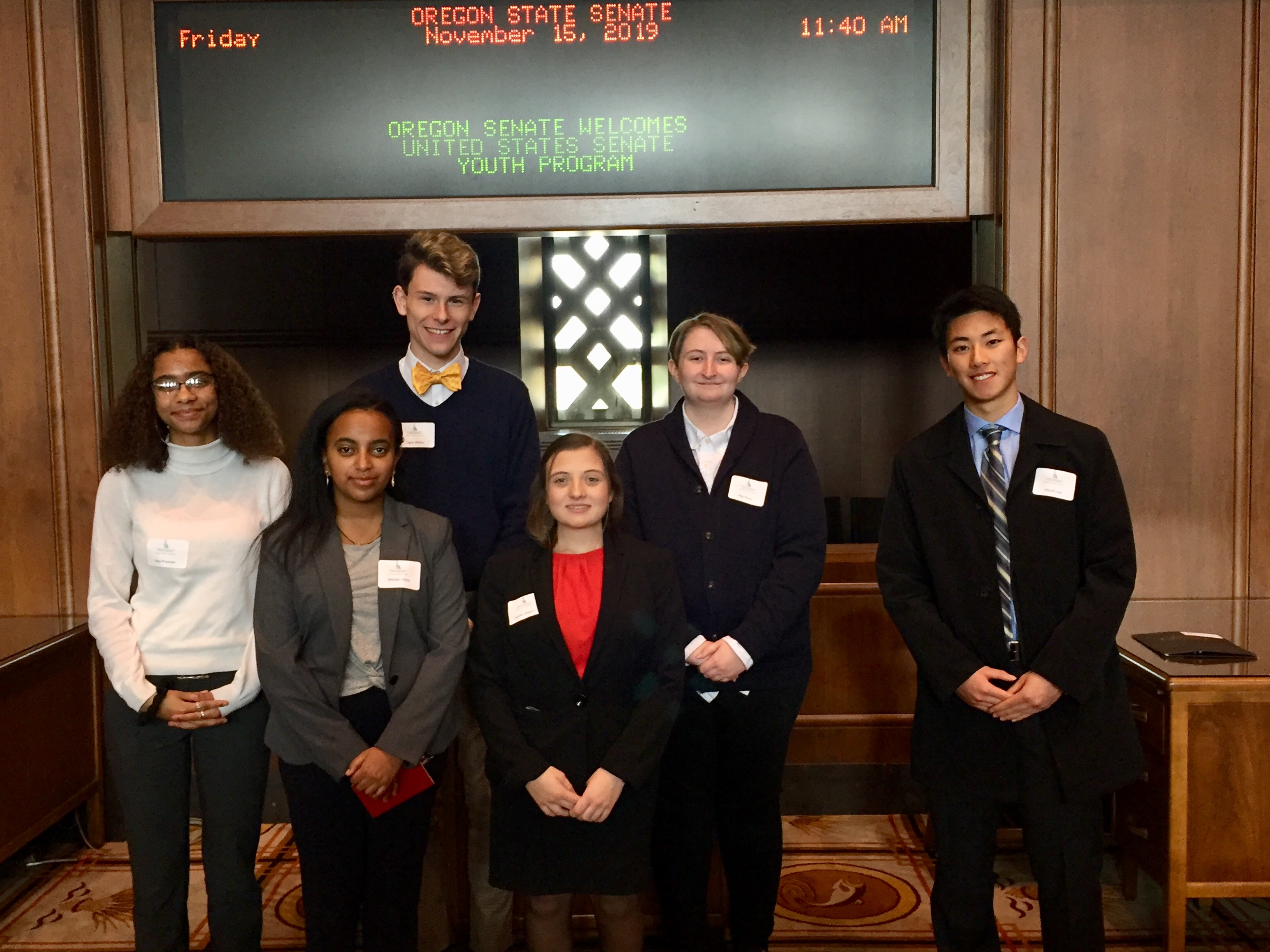
The Oregon Department of Education (ODE) is actively preparing to open a variety of youth leadership opportunities for the 2026-27 school year. ODE will be seeking youth applicants for groups such as:

  • ODE Youth Advisory Council
  • State Board of Education Advisors
  • Ongoing Rules Community Advisory
  • CTE Student Advisory Council
  • LGBTQ2SIA+ Student Success Advisory Group
  • Latinx Student Success Plan Advisory Group
  • African American/Black Student Success Plan Advisory Committee
  • Immigrant/Refugee Student Success Advisory Group
  • Native Hawaiian/Pacific Islander Student Success Advisory Group

Applications will start being shared in early April. For more information, please contact Amy Hodge at amy.hodge@ode.oregon.gov.


Opioid Lessons Now Available in Spanish
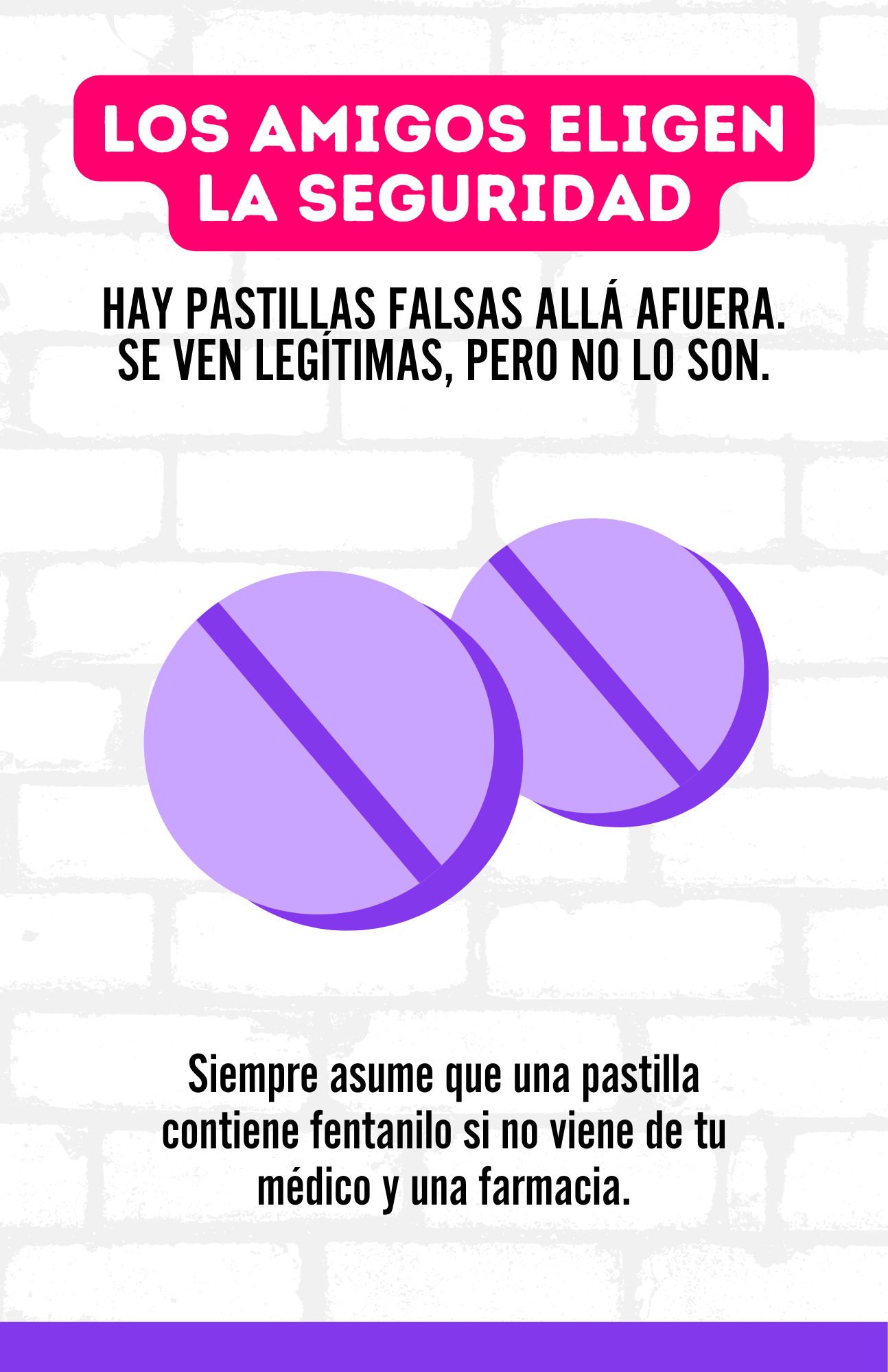
The Annual Opioid Prevention Lessons, required by OAR 581-022-2045, are now available in Spanish. These lessons are taught in 6th grade through high school and provide students with essential skills to prevent, identify, and respond to opioid overdoses. The required lessons are part of comprehensive substance use prevention and intervention programs in K-12 school districts that focus on building protective factors, enhancing skills that prevent substance use, and connecting students and families with local resources. Additional substance use prevention lessons and other prevention materials are available in English and Spanish on the ODE website.

For questions or technical assistance, contact ode.substance-prevention@ode.oregon.gov. For ongoing updates and resources related to substance use prevention education, subscribe to the ODE Health and Physical Education listserv.


ODE In the News


Student Spotlight